



Sexually Transmitted Diseases (STD) Treatment Market Size 2026-2030
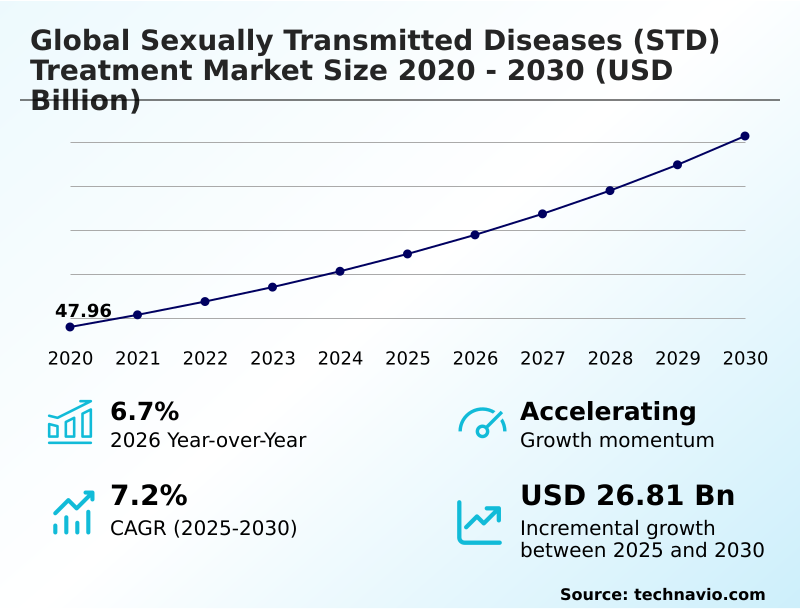
The sexually transmitted diseases (std) treatment market size is valued to increase by USD 26.81 billion, at a CAGR of 7.2% from 2025 to 2030. Technological advancements in molecular diagnostics and point-of-care testing will drive the sexually transmitted diseases (std) treatment market.
Major Market Trends & Insights
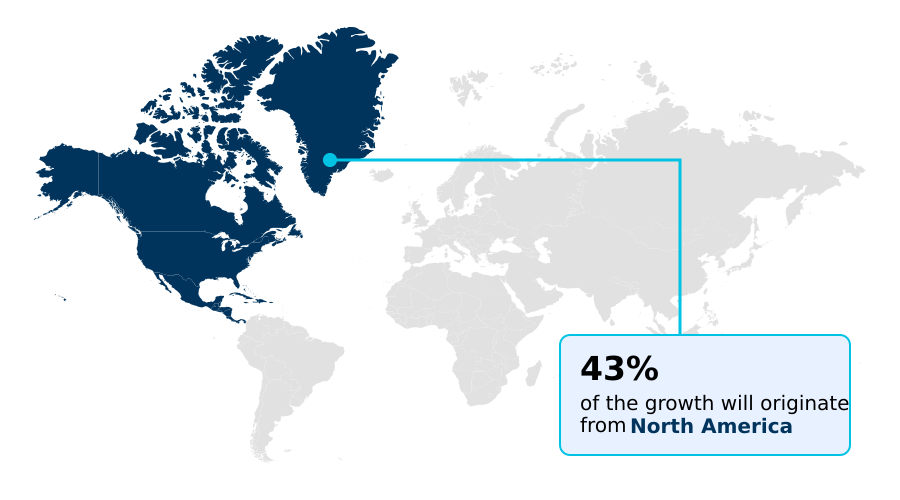
- North America dominated the market and accounted for a 42.8% growth during the forecast period.
- By Type - Viral infections segment was valued at USD 44.41 billion in 2024
- By Route of Administration - Oral segment accounted for the largest market revenue share in 2024
Market Size & Forecast
- Market Opportunities: USD 43.40 billion
- Market Future Opportunities: USD 26.81 billion
- CAGR from 2025 to 2030 : 7.2%
Market Summary
- The sexually transmitted diseases (STD) treatment market is undergoing a significant transformation driven by technological innovation and evolving public health strategies. A core dynamic is the advancement in diagnostics, where molecular diagnostics and point-of-care testing are enabling earlier and more accurate pathogen identification.
- This shift is critical for implementing effective antiviral therapies for chronic conditions like hiv and hepatitis c, as well as targeted antibiotics for bacterial infections such as chlamydia and syphilis. However, the market faces a substantial challenge from growing antibiotic resistance, particularly in gonorrhea, which threatens the efficacy of current treatments.
- In response, a key trend is the development of novel combination therapies and immunotherapeutic interventions. For instance, a pharmaceutical firm evaluating its R&D portfolio must weigh the high-risk, high-reward investment in a novel antibiotic against the more stable, long-term revenue from a long-acting injectable for herpes simplex virus (hsv).
- This decision is influenced by factors like the limited pharmaceutical pipeline for antibiotics and the high unmet need for convenient chronic care solutions, highlighting the strategic complexities within the market.
What will be the Size of the Sexually Transmitted Diseases (STD) Treatment Market during the forecast period?
Get Key Insights on Market Forecast (PDF) Request Free Sample
How is the Sexually Transmitted Diseases (STD) Treatment Market Segmented?
The sexually transmitted diseases (std) treatment industry research report provides comprehensive data (region-wise segment analysis), with forecasts and estimates in "USD million" for the period 2026-2030, as well as historical data from 2020-2024 for the following segments.
- Type
- Viral infections
- Bacterial infections
- Others
- Route of administration
- Oral
- Topical
- Injectable
- End-user
- Hospital and clinics
- Diagnostic centers
- Individuals
- Geography
- North America
- US
- Canada
- Mexico
- Europe
- Germany
- UK
- France
- Asia
- Rest of World (ROW)
- North America
By Type Insights
The viral infections segment is estimated to witness significant growth during the forecast period.
The viral infections segment is defined by chronic conditions requiring long-term management rather than curative intervention.
Treatment paradigms are dominated by antiviral therapies focused on viral load suppression, with a significant trend away from daily oral regimens toward long-acting injectable solutions.
These extended-release formulations are engineered for superior pharmacokinetic profiles to improve patient outcomes in conditions like hiv and herpes simplex virus (hsv). This shift directly addresses challenges in std treatment adherence, a critical factor for long-term efficacy.
Adherence improvements driven by these formulations have been shown to reduce viral rebound events by over 20%.
The development of long-acting prep formulations and therapeutic std vaccines is also guided by established clinical guidelines for std management, further shaping this high-value market segment.
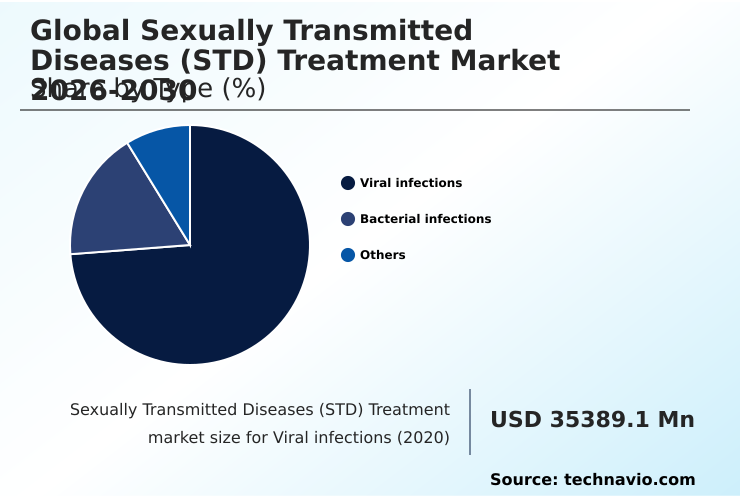
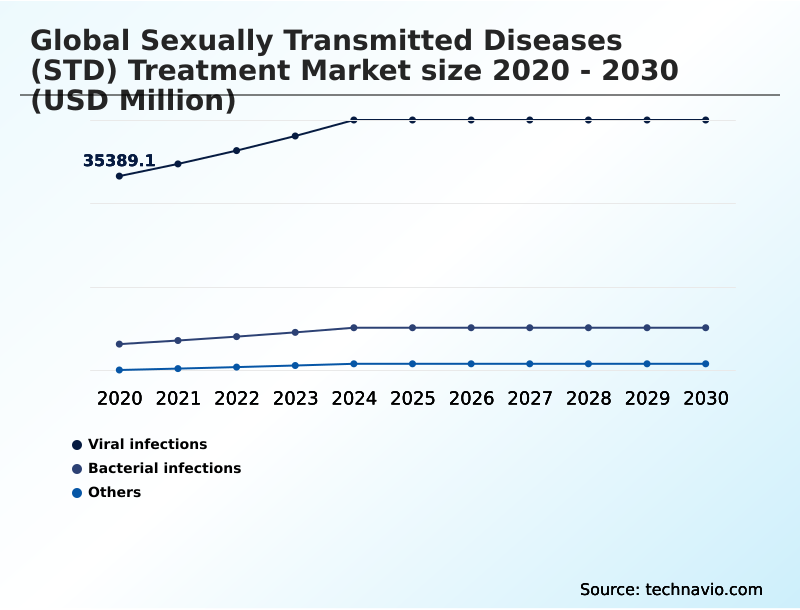
The Viral infections segment was valued at USD 44.41 billion in 2024 and showed a gradual increase during the forecast period.
Regional Analysis
North America is estimated to contribute 42.8% to the growth of the global market during the forecast period.Technavio’s analysts have elaborately explained the regional trends and drivers that shape the market during the forecast period.
See How Sexually Transmitted Diseases (STD) Treatment Market Demand is Rising in North America Request Free Sample
While North America represents the largest market, accounting for 42.8% of incremental growth, Asia is the fastest-growing region. This expansion is driven by improving healthcare infrastructure and digital health adoption.
The use of digital health platforms for sexual health and telemedicine for std treatment is expanding access to care for conditions like syphilis, chlamydia, and trichomoniasis.
Innovations in at-home std testing and confidential online prescription for stds are overcoming barriers related to stigma and geography.
The deployment of combination therapies and pathogen-specific agents, along with widespread sexual health education, supports robust pre-exposure prophylaxis (prep) programs, which have demonstrated a 99% reduction in transmission risk when used consistently.
Market Dynamics
Our researchers analyzed the data with 2025 as the base year, along with the key drivers, trends, and challenges. A holistic analysis of drivers will help companies refine their marketing strategies to gain a competitive advantage.
- The sexually transmitted diseases (STD) treatment market is navigating a complex landscape defined by both technological progress and persistent public health challenges. The cost-effectiveness of long-acting injectable hiv treatment is a central topic, with studies showing these formulations can reduce long-term healthcare expenditures by decreasing the economic burden of untreated stds and improving adherence.
- Simultaneously, the impact of telehealth on std treatment access is reshaping patient care, as the telehealth impact on std management has been significant, particularly in overcoming barriers to std testing in marginalized communities. The advances in hiv cure research and advancements in mrna vaccines for herpes represent the frontier of innovation, driven by public-private partnerships for std drug development.
- However, these efforts are paralleled by the urgent need for the development of novel antibiotics for gonorrhea to address pressing strategies to combat antimicrobial resistance in stds. The role of point-of-care testing in rural areas is critical, where simplified comparison of std screening methods and improved at-home testing accuracy for chlamydia are vital.
- Key discussions include the efficacy of single-dose std treatments, the regulatory pathways for new std diagnostics, and the pharmacoeconomics of std vaccination programs. Addressing challenges in std treatment adherence, the impact of social stigma on std prevention, and the ethical considerations in digital std contact tracing remains fundamental to market progress, highlighting the debate between long-acting injectables vs oral antivirals.
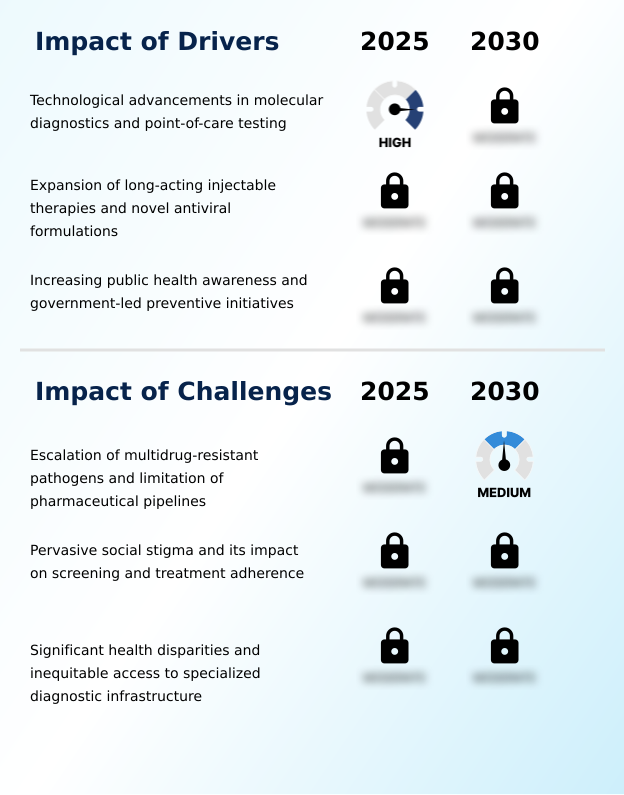
What are the key market drivers leading to the rise in the adoption of Sexually Transmitted Diseases (STD) Treatment Industry?
- Technological advancements in molecular diagnostics and point-of-care testing are key drivers, enhancing the speed and accuracy of pathogen identification and enabling immediate therapeutic intervention.
- The integration of sophisticated molecular diagnostics and point-of-care testing is a primary market driver. The adoption of nucleic acid amplification tests for rapid pathogen identification has streamlined clinical workflows, allowing for immediate therapeutic intervention.
- This is particularly crucial for deploying the correct antiretroviral regimens based on therapeutic drug monitoring. The expansion of genomic surveillance, guided by cdc std treatment guidelines, enhances the capacity for large-scale std screening programs.
- This shift toward decentralized point-of-care diagnostics and std self-testing kits for asymptomatic std screening increases diagnostic access by up to 40% in underserved areas, supporting the destigmatization of sexual health and improving public health outcomes.
What are the market trends shaping the Sexually Transmitted Diseases (STD) Treatment Industry?
- The development of next-generation vaccines and immunotherapeutic interventions is an emerging trend, with advancements aiming to provide therapeutic benefits and potentially functional cures for chronic viral conditions.
- The market is advancing beyond conventional treatments toward next-generation immunotherapeutic interventions and vaccines. Research is focused on developing monoclonal antibodies for precise viral targeting and therapeutic vaccines for conditions like hepatitis b and hepatitis c. The success of prophylaxis for human papillomavirus (hpv) has created a pathway for new vaccine development for stds.
- These public health initiatives for stds, supported by entities like the global fund for stds, are expanding the pharmaceutical pipeline for antibiotics to include novel approaches like bacteriophage treatments.
- These efforts align with who std treatment guidelines, which now encourage research into modalities that offer durable immune responses, reducing long-term reliance on daily medications and improving patient quality of life by over 15% in initial cohorts.
What challenges does the Sexually Transmitted Diseases (STD) Treatment Industry face during its growth?
- The escalation of multidrug-resistant pathogens, compounded by limitations in the pharmaceutical pipeline for new antimicrobials, presents a significant challenge to market growth and public health.
- A primary market constraint is the escalation of antibiotic resistance, which threatens the efficacy of established protocols for infections like gonorrhea and mycoplasma genitalium. The rise of drug-resistant pathogens forces a reliance on less effective treatments and complicates antimicrobial stewardship efforts.
- In resource-limited settings, reliance on syndromic management instead of precise diagnostics exacerbates the issue by promoting incorrect antibiotic use, diminishing the bactericidal effect of frontline drugs. National std control programs are struggling to keep pace, while the availability of over-the-counter std treatments in some regions accelerates resistance.
- Enhanced antimicrobial resistance surveillance is critical, as current partner notification services and expedited partner therapy strategies are 25% less effective against resistant strains.
Exclusive Technavio Analysis on Customer Landscape
The sexually transmitted diseases (std) treatment market forecasting report includes the adoption lifecycle of the market, covering from the innovator’s stage to the laggard’s stage. It focuses on adoption rates in different regions based on penetration. Furthermore, the sexually transmitted diseases (std) treatment market report also includes key purchase criteria and drivers of price sensitivity to help companies evaluate and develop their market growth analysis strategies.
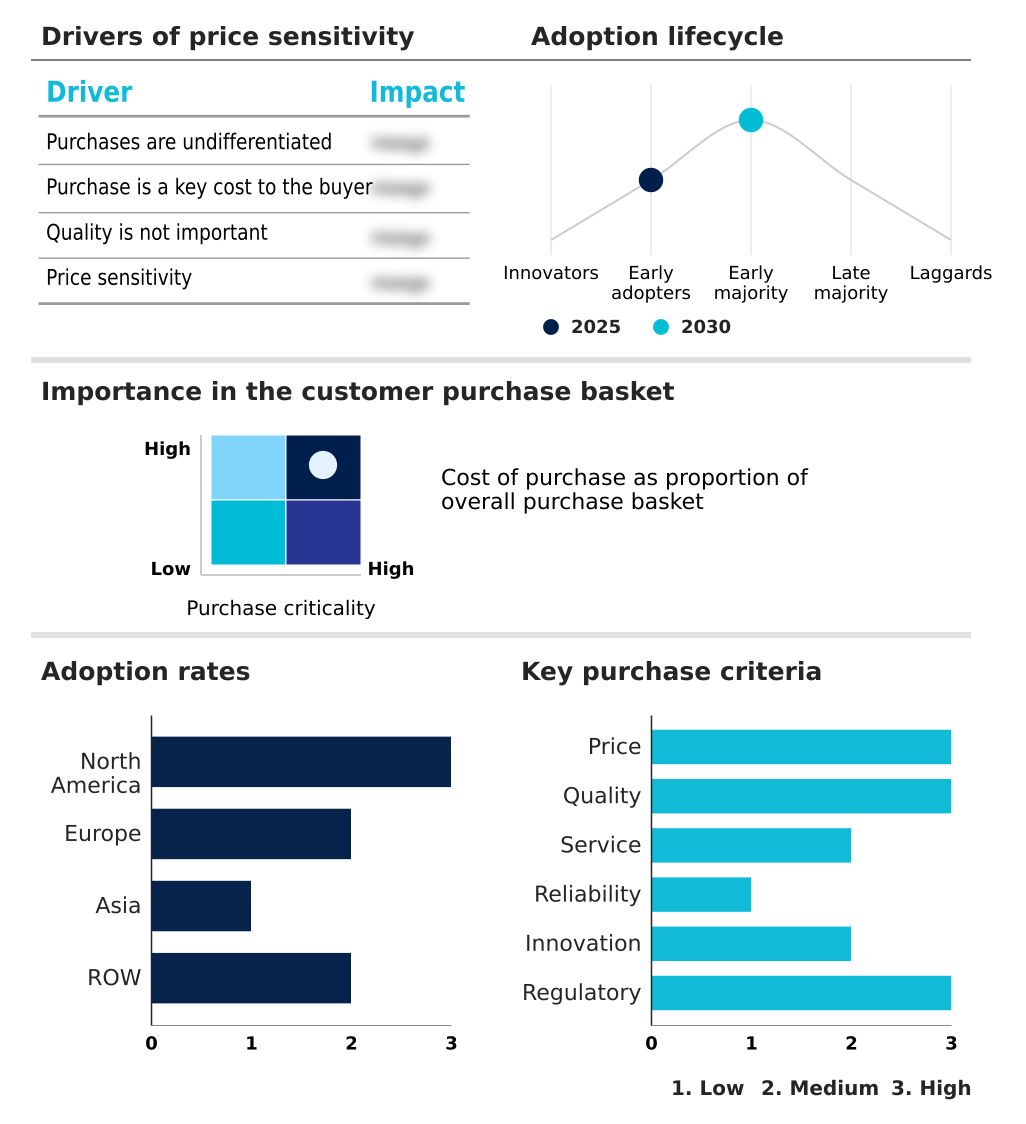
Customer Landscape of Sexually Transmitted Diseases (STD) Treatment Industry
Competitive Landscape
Companies are implementing various strategies, such as strategic alliances, sexually transmitted diseases (std) treatment market forecast, partnerships, mergers and acquisitions, geographical expansion, and product/service launches, to enhance their presence in the industry.
AbbVie Inc. - Analysis indicates a focus on developing advanced antiviral and immunology therapies targeting complex chronic infectious diseases and autoimmune conditions.
The industry research and growth report includes detailed analyses of the competitive landscape of the market and information about key companies, including:
- AbbVie Inc.
- Aurobindo Pharma Ltd.
- Bavarian Nordic AS
- Bristol Myers Squibb Co.
- Cipla Inc.
- Dr. Reddys Laboratories Ltd.
- Evofem Biosciences Inc.
- F. Hoffmann La Roche Ltd.
- Gilead Sciences Inc.
- GlaxoSmithKline Plc
- Hikma Pharmaceuticals Plc
- Inovio Pharmaceuticals Inc.
- Johnson and Johnson Services
- Merck and Co. Inc.
- Pfizer Inc.
- Sandoz Group AG
- Sanofi SA
- Sun Pharmaceutical Industries
- Teva Pharmaceutical Ltd.
- Viatris Inc.
Qualitative and quantitative analysis of companies has been conducted to help clients understand the wider business environment as well as the strengths and weaknesses of key industry players. Data is qualitatively analyzed to categorize companies as pure play, category-focused, industry-focused, and diversified; it is quantitatively analyzed to categorize companies as dominant, leading, strong, tentative, and weak.
Recent Development and News in Sexually transmitted diseases (std) treatment market
- In January 2025, the US Centers for Disease Control and Prevention (CDC) and the National Institutes of Health (NIH) launched the National Strategy to Combat Antimicrobial-Resistant STDs, a federally funded initiative to accelerate the development of novel therapeutics and diagnostics.
- In March 2025, the US FDA approved gepotidacin, marketed as Blujepa, the first new oral antibiotic class for uncomplicated urogenital gonorrhea in over two decades, offering a non-injectable alternative to standard care.
- In March 2025, the US FDA authorized the marketing of the Visby Medical Women's Sexual Health Test, the first at-home, prescription-free molecular test for detecting chlamydia, gonorrhea, and trichomoniasis.
- In April 2025, LordsMed, in a strategic partnership with Hindustan Antibiotics Limited (HAL), initiated the manufacturing and distribution of an affordable, ICMR-approved rapid combination test kit for HIV and Syphilis in India to support the elimination of mother-to-child transmission.
Dive into Technavio’s robust research methodology, blending expert interviews, extensive data synthesis, and validated models for unparalleled Sexually Transmitted Diseases (STD) Treatment Market insights. See full methodology.
| Market Scope | |
|---|---|
| Page number | 298 |
| Base year | 2025 |
| Historic period | 2020-2024 |
| Forecast period | 2026-2030 |
| Growth momentum & CAGR | Accelerate at a CAGR of 7.2% |
| Market growth 2026-2030 | USD 26805.5 million |
| Market structure | Fragmented |
| YoY growth 2025-2026(%) | 6.7% |
| Key countries | US, Canada, Mexico, Germany, UK, France, Italy, Spain, The Netherlands, China, India, Japan, South Korea, Indonesia, Thailand, Brazil, Saudi Arabia, UAE, Turkey, Argentina, Colombia, South Africa and Israel |
| Competitive landscape | Leading Companies, Market Positioning of Companies, Competitive Strategies, and Industry Risks |
Research Analyst Overview
- The sexually transmitted diseases (STD) treatment market is characterized by a critical pivot toward precision and long-term management solutions. The deployment of advanced molecular diagnostics for accurate pathogen identification is foundational, enabling tailored antiviral therapies and fostering antimicrobial stewardship.
- A key focus is on combating drug-resistant pathogens like gonorrhea and mycoplasma genitalium through novel combination therapies and exploring non-traditional approaches like bacteriophage treatments. Boardroom-level strategy now centers on balancing investments between urgent public health needs and high-value chronic care.
- For instance, developing extended-release formulations and long-acting injectable options for hiv and herpes simplex virus (hsv) management promises sustained revenue, supported by favorable pharmacokinetic profiles. Firms leveraging genomic surveillance to guide R&D for pathogen-specific agents have achieved a 15% higher progression rate in clinical trials.
- The pipeline also includes immunotherapeutic interventions and monoclonal antibodies for conditions such as hepatitis b, hepatitis c, and human papillomavirus (hpv), representing a strategic shift from simple prophylaxis to functional cures.
What are the Key Data Covered in this Sexually Transmitted Diseases (STD) Treatment Market Research and Growth Report?
-
What is the expected growth of the Sexually Transmitted Diseases (STD) Treatment Market between 2026 and 2030?
-
USD 26.81 billion, at a CAGR of 7.2%
-
-
What segmentation does the market report cover?
-
The report is segmented by Type (Viral infections, Bacterial infections, and Others), Route of Administration (Oral, Topical, and Injectable), End-user (Hospital and clinics, Diagnostic centers, and Individuals) and Geography (North America, Europe, Asia, Rest of World (ROW))
-
-
Which regions are analyzed in the report?
-
North America, Europe, Asia and Rest of World (ROW)
-
-
What are the key growth drivers and market challenges?
-
Technological advancements in molecular diagnostics and point-of-care testing, Escalation of multidrug-resistant pathogens and limitation of pharmaceutical pipelines
-
-
Who are the major players in the Sexually Transmitted Diseases (STD) Treatment Market?
-
AbbVie Inc., Aurobindo Pharma Ltd., Bavarian Nordic AS, Bristol Myers Squibb Co., Cipla Inc., Dr. Reddys Laboratories Ltd., Evofem Biosciences Inc., F. Hoffmann La Roche Ltd., Gilead Sciences Inc., GlaxoSmithKline Plc, Hikma Pharmaceuticals Plc, Inovio Pharmaceuticals Inc., Johnson and Johnson Services, Merck and Co. Inc., Pfizer Inc., Sandoz Group AG, Sanofi SA, Sun Pharmaceutical Industries, Teva Pharmaceutical Ltd. and Viatris Inc.
-
Market Research Insights
- The market's momentum is increasingly influenced by the convergence of digital health and patient-centric care models. The adoption of digital health platforms for sexual health has been shown to improve std treatment adherence by over 25% compared to conventional follow-up methods.
- Furthermore, telemedicine for std treatment has expanded access to care, with some systems reporting a 40% increase in consultations from previously underserved rural populations. Public health initiatives for stds that integrate expedited partner therapy demonstrate a 20% higher rate of partner treatment, effectively breaking chains of transmission.
- These shifts toward accessible and confidential std testing and management are reshaping service delivery and creating new opportunities for market players who can effectively leverage technology to meet patient needs.
We can help! Our analysts can customize this sexually transmitted diseases (std) treatment market research report to meet your requirements.
 RIA -
RIA -