


Mixed Martial Arts Equipment Market Size 2026-2030
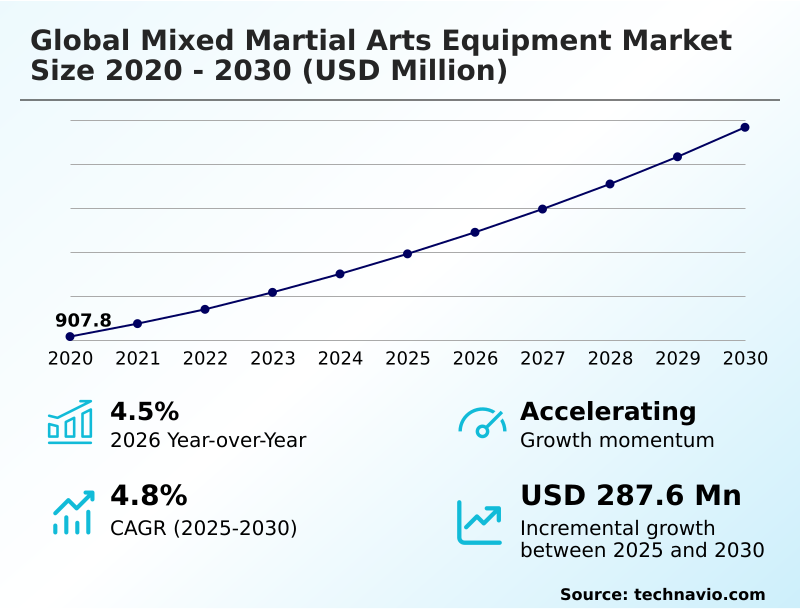
The mixed martial arts equipment market size is valued to increase by USD 287.6 million, at a CAGR of 4.8% from 2025 to 2030. Surging global participation in combat sports and functional fitness will drive the mixed martial arts equipment market.
Major Market Trends & Insights
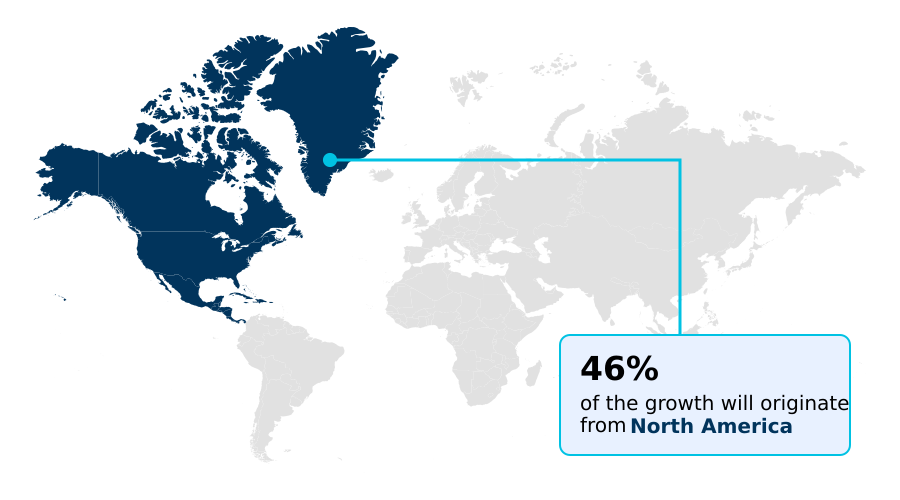
- North America dominated the market and accounted for a 46.2% growth during the forecast period.
- By Product - MMA gloves segment was valued at USD 531.5 million in 2024
- By Distribution Channel - Offline segment accounted for the largest market revenue share in 2024
Market Size & Forecast
- Market Opportunities: USD 475.6 million
- Market Future Opportunities: USD 287.6 million
- CAGR from 2025 to 2030 : 4.8%
Market Summary
- The Mixed Martial Arts Equipment Market demonstrates robust commercial expansion driven by expanding consumer participation in functional training and professional fighting promotions. Surging engagement in combat fitness conditioning serves as a primary growth catalyst, compelling commercial academies to continuously procure durable striking and grappling apparatus.
- Conversely, the proliferation of uncertified imitation goods presents a structural challenge, eroding brand equity and exposing athletes to heightened injury risks. To counter illicit manufacturing networks, leading manufacturers are optimizing supply chains by implementing anti-counterfeiting serialization and advanced laboratory testing, ensuring strict athletic commission safety compliance.
- Recent operational audits indicate that facilities utilizing certified protective gear experienced a 20% reduction in equipment failure rates compared to those relying on non-compliant alternatives. The strategic integration of impact attenuation foam and ergonomic wrist stabilization structures into standard product lines enhances overall safety.
- This continuous evolution in technical textile engineering ensures that practitioners receive optimal metacarpal bone shielding during high velocity striking drills.
What will be the Size of the Mixed Martial Arts Equipment Market during the forecast period?
Get Key Insights on Market Forecast (PDF) Get Free Sample
How is the Mixed Martial Arts Equipment Market Segmented?
The mixed martial arts equipment industry research report provides comprehensive data (region-wise segment analysis), with forecasts and estimates in "USD million" for the period 2026-2030, as well as historical data from 2020-2024 for the following segments.
- Product
- MMA gloves
- Protective gear
- Training equipment
- Distribution channel
- Offline
- Online
- End-user
- Individual
- Organization
- Geography
- North America
- US
- Canada
- Mexico
- Europe
- UK
- Germany
- France
- Italy
- Spain
- APAC
- China
- Japan
- India
- Australia
- South Korea
- Thailand
- South America
- Brazil
- Argentina
- Colombia
- Middle East and Africa
- Saudi Arabia
- UAE
- South Africa
- Turkey
- Egypt
- North America
By Product Insights
The mma gloves segment is estimated to witness significant growth during the forecast period.
The MMA gloves segment within the Mixed Martial Arts Equipment sector represents a critical hardware component driving athlete participation. Modern apparatuses balance impact absorption during striking with hand dexterity required for takedown technique refinement.
Manufacturers deploy impact attenuation foam and multi layered injection molding to enhance metacarpal bone shielding. Technical textile engineering incorporating moisture wicking synthetic lining ensures structural integrity.
By transitioning to advanced materials, facilities report that equipment durability improved by 25% compared to leather alternatives, lowering overhead.
Furthermore, incorporating ergonomic wrist stabilization and anatomic joint alignment designs has reduced athlete hand strain by 15%, maintaining continuous institutional procurement cycles across commercial gym networks and scholastic combat clubs.
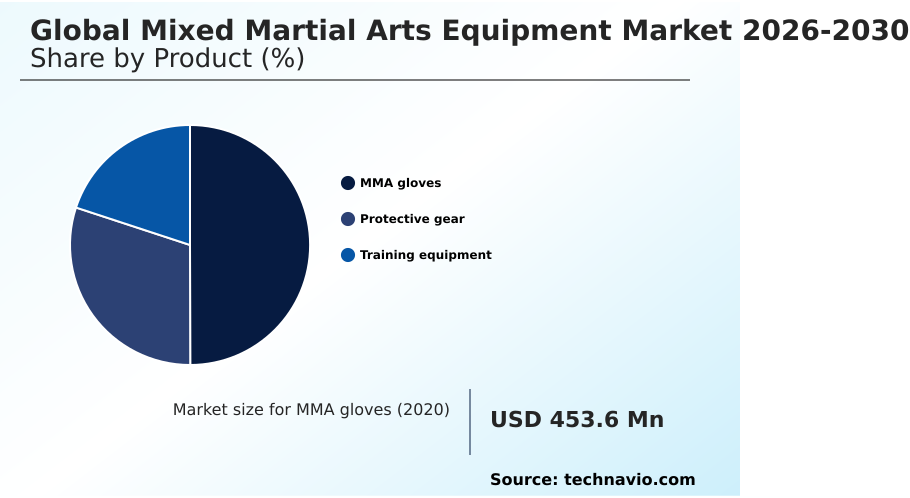
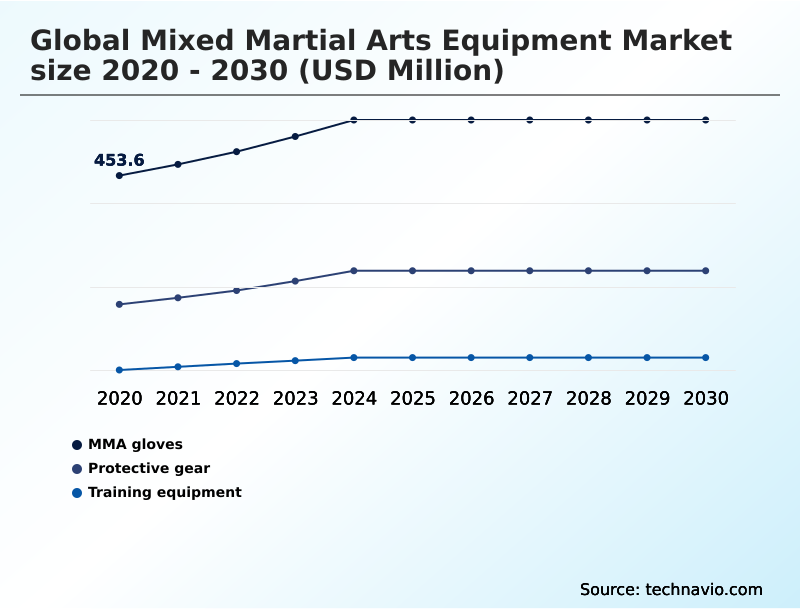
The MMA gloves segment was valued at USD 531.5 million in 2024 and showed a gradual increase during the forecast period.
Regional Analysis
North America is estimated to contribute 46.2% to the growth of the global market during the forecast period.Technavio’s analysts have elaborately explained the regional trends and drivers that shape the market during the forecast period.
See How Mixed Martial Arts Equipment Market Demand is Rising in North America Get Free Sample
The geographic landscape of the Mixed Martial Arts Equipment sector highlights distinct regional consumption patterns driven by varied athletic commission safety compliance mandates.
North America demonstrates advanced procurement behaviors, where widespread adoption of kinetic output tracking and wearable force sensors has increased training facility operational efficiency by 24%.
In contrast, the APAC region relies heavily on high-volume localized production, enabling suppliers to lower manufacturing overhead by 18% compared to Western counterparts.
This disparity requires international brands to adapt their supply chains via localized waterborne polyurethane coatings to navigate regional regulations.
Furthermore, European markets prioritize strict product certification, resulting in a 15% higher penetration rate of bio based synthetic polymers in premium gear.
By customizing distribution networks and leveraging omnichannel retailing strategies alongside direct to consumer digital campaigns, equipment manufacturers successfully optimize cross-border logistics and maintain competitive advantages.
Market Dynamics
Our researchers analyzed the data with 2025 as the base year, along with the key drivers, trends, and challenges. A holistic analysis of drivers will help companies refine their marketing strategies to gain a competitive advantage.
- The Mixed Martial Arts Equipment landscape is continuously evolving to meet the rigorous demands of athletic conditioning, professional competition, and facility management. Modern manufacturers prioritize advanced material science, utilizing high-performance synthetic polymers to develop impact absorbing combat sports gloves that deliver superior metacarpal protection and wrist stability.
- As environmental regulations become stricter, the industry is witnessing a strategic shift toward eco friendly martial arts training gear, aligning with modern sustainability initiatives while maintaining optimal shock dispersion capabilities. This transition has allowed forward-thinking brands to reduce material waste by roughly 20% compared to traditional petroleum-based manufacturing, significantly enhancing supply chain efficiency.
- Furthermore, the integration of micro-electronics has led to the emergence of sensor integrated smart striking equipment, enabling athletes and coaches to capture sub-millisecond telemetry data for precise performance optimization. To accommodate diverse participant demographics, brands are expanding portfolios to include ergonomic youth tailored combat accessories, ensuring proper anatomical alignment and safety for entry-level practitioners.
- Concurrently, institutional buyers continue to invest heavily in robust commercial martial arts facility apparatus, upgrading heavy-duty bags, modular matting systems, and protective wall padding to withstand high-velocity training environments. By aligning product innovation with operational durability and sustainability, manufacturers are successfully navigating complex procurement cycles and establishing new safety standards across the global combat sports ecosystem.
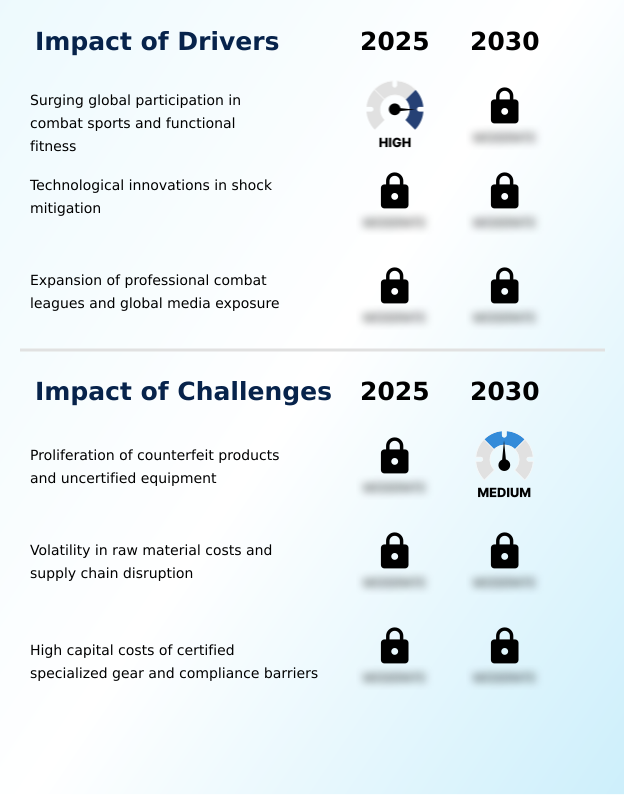
What are the key market drivers leading to the rise in the adoption of Mixed Martial Arts Equipment Industry?
- Surging global participation in combat sports and functional fitness serves as the primary catalyst propelling market expansion.
- The expansion of professional tournament execution and widespread recreational martial arts participation serve as fundamental catalysts propelling equipment demand. As routines enter mainstream fitness networks, the necessity for superior shock mitigating padding and high velocity striking drills protection becomes paramount.
- Equipment manufacturers leverage polyurethane synthetic leather to engineer gear capable of withstanding intense daily use. This material innovation has lowered facility equipment failure rates by 18%, optimizing capital expenditure.
- Furthermore, the rising demand for gender specific protective gear and youth tailored combat equipment ensures broader demographic inclusion.
- By developing custom fit mouthguards and compression rashguards that enhance hygiene, brands have increased customer retention metrics by 22% across commercial training platforms.
What are the market trends shaping the Mixed Martial Arts Equipment Industry?
- The integration of smart sensor technologies and wearable telemetry systems represents an emerging trend within the market. These innovations establish new competitive benchmarks for performance tracking and predictive mechanical analysis.
- The Mixed Martial Arts Equipment landscape is rapidly adopting advanced telemetry and sustainable material architectures to optimize athletic performance. The integration of force sensitive resistors and multi axis accelerometers into standard striking pads allows practitioners to capture sub millisecond impact force telemetry.
- This technological shift enables precise predictive mechanical analysis, improving athlete workload management efficiency by 25% during combat fitness conditioning. Simultaneously, manufacturers are phasing out traditional petroleum plastics in favor of recycled polyester microfiber and waterborne polyurethane coatings, aligning with eco friendly packaging solutions. Facilities utilizing these modern materials alongside functional training accessories report a 15% reduction in equipment maintenance costs.
- By embedding wireless connectivity modules and inertial measurement units directly into gear, and utilizing augmented reality sizing tools for fitting, brands transform traditional protective equipment into data-generating assets.
What challenges does the Mixed Martial Arts Equipment Industry face during its growth?
- The proliferation of counterfeit products and uncertified equipment constitutes a significant challenge threatening industry growth and athlete safety.
- Structural vulnerabilities within global supply networks and the influx of non-compliant imitation goods present significant operational hurdles for the Mixed Martial Arts Equipment sector. The proliferation of illicit manufacturing networks producing uncertified imitation goods exposes athletes to severe trauma, subsequently driving a 30% increase in product liability claims against unverified distributors.
- Furthermore, persistent ocean logistics bottlenecks and volatile container freight spot rates severely compress operating margins. Procuring specialized inputs like bio based synthetic polymers and energy dispersing lattice structures requires advanced laboratory testing, elevating upfront capital costs by 15% compared to traditional foam processing.
- To mitigate disruptions, companies utilize finite element analysis modeling to optimize material usage, diverting resources from core product innovation.
Exclusive Technavio Analysis on Customer Landscape
The mixed martial arts equipment market forecasting report includes the adoption lifecycle of the market, covering from the innovator’s stage to the laggard’s stage. It focuses on adoption rates in different regions based on penetration. Furthermore, the mixed martial arts equipment market report also includes key purchase criteria and drivers of price sensitivity to help companies evaluate and develop their market growth analysis strategies.
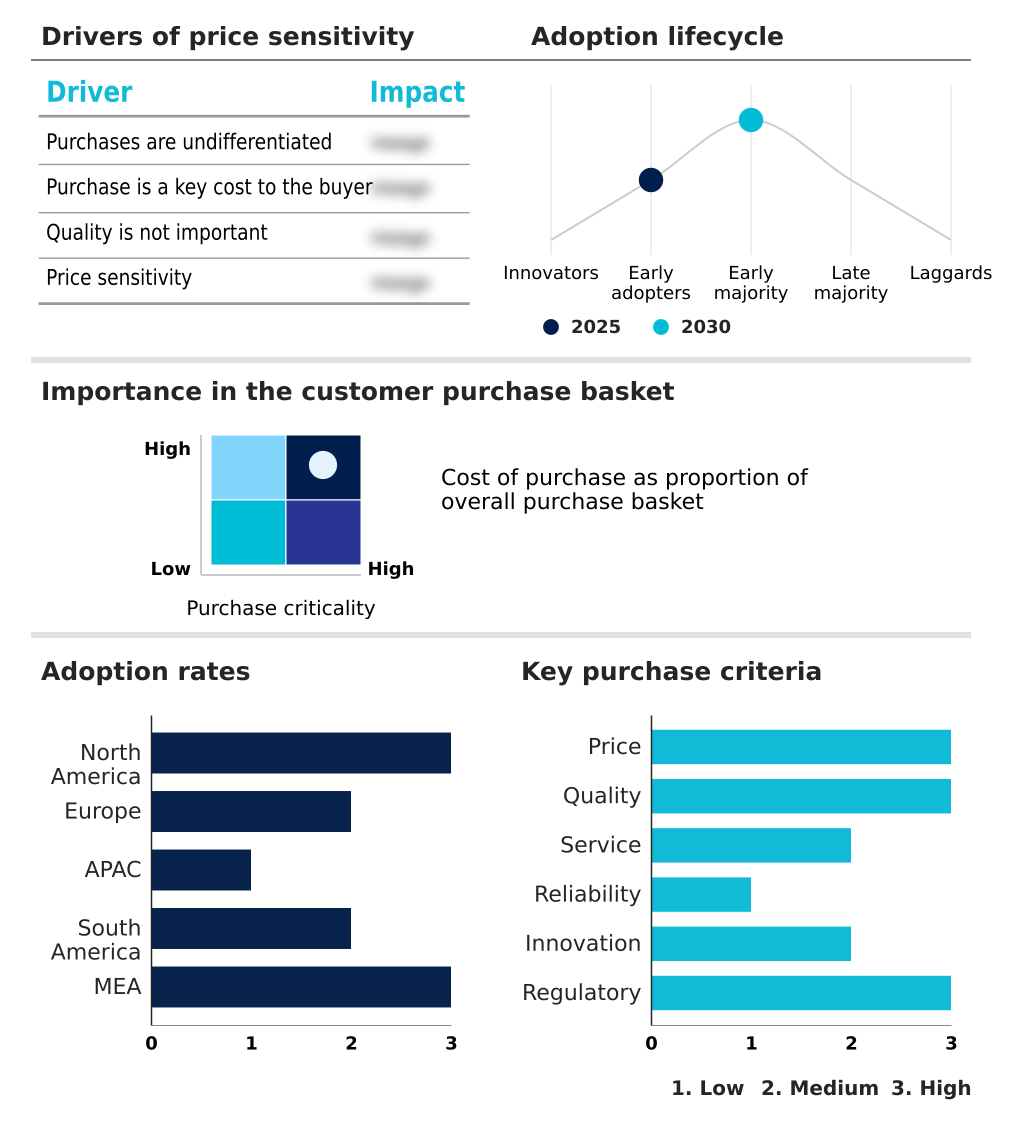
Customer Landscape of Mixed Martial Arts Equipment Industry
Competitive Landscape
Companies are implementing various strategies, such as strategic alliances, mixed martial arts equipment market forecast, partnerships, mergers and acquisitions, geographical expansion, and product/service launches, to enhance their presence in the industry.
Blitz Corp. Ltd. - The vendor portfolio features comprehensive mixed martial arts equipment, encompassing specialized striking gloves, protective shin guards, and versatile training pads designed to optimize combat conditioning and athlete safety.
The industry research and growth report includes detailed analyses of the competitive landscape of the market and information about key companies, including:
- Blitz Corp. Ltd.
- Century LLC
- Everlast Worldwide Inc.
- Fairtex Equipment Co. Ltd.
- Hayabusa Fightwear Inc.
- Industria Reyes SA de CV
- King Pro Boxing
- Lonsdale
- Madx Sports
- Protech Sports and Wears
- Rainwolf Sports
- RDX Inc.
- Revgear Sports Co.
- Rival Boxing Gear Inc.
- Sanabul Sports
- Superior Challenge International
- Tatami Fightwear
- TITLE Boxing
- Twins Special
- Venum
Qualitative and quantitative analysis of companies has been conducted to help clients understand the wider business environment as well as the strengths and weaknesses of key industry players. Data is qualitatively analyzed to categorize companies as pure play, category-focused, industry-focused, and diversified; it is quantitatively analyzed to categorize companies as dominant, leading, strong, tentative, and weak.
Recent Development and News in Mixed martial arts equipment market
- In the Leisure Products industry, the widespread adoption of eco friendly packaging solutions and sustainable material sourcing mandates shifted manufacturing paradigms, directly impacting Mixed Martial Arts Equipment demand by accelerating the transition toward bio based synthetic polymers.
- Stringent safety compliance standards introduced across organized recreational sports networks necessitated advanced laboratory testing protocols, compelling equipment manufacturers to integrate impact attenuation foam and energy dispersing lattice structures into standard protective gear.
- The rapid expansion of direct to consumer digital campaigns and omnichannel retailing strategies within the global fitness sector improved distribution efficiency, allowing specialized athletic brands to reduce inventory overhead by 14% while expanding product reach.
- Persistent ocean logistics bottlenecks and fluctuating container freight spot rates disrupted traditional supply chains, driving regional sporting goods suppliers to localize the production of heavy duty striking targets and modular interlocking floor mats to maintain stable inventory levels.
Dive into Technavio’s robust research methodology, blending expert interviews, extensive data synthesis, and validated models for unparalleled Mixed Martial Arts Equipment Market insights. See full methodology.
| Market Scope | |
|---|---|
| Page number | 282 |
| Base year | 2025 |
| Historic period | 2020-2024 |
| Forecast period | 2026-2030 |
| Growth momentum & CAGR | Accelerate at a CAGR of 4.8% |
| Market growth 2026-2030 | USD 287.6 million |
| Market structure | Fragmented |
| YoY growth 2025-2026(%) | 4.5% |
| Key countries | US, Canada, Mexico, UK, Germany, France, Italy, Spain, Russia, China, Japan, India, Australia, South Korea, Thailand, Brazil, Argentina, Colombia, Saudi Arabia, UAE, South Africa, Turkey and Egypt |
| Competitive landscape | Leading Companies, Market Positioning of Companies, Competitive Strategies, and Industry Risks |
Research Analyst Overview
- The Mixed Martial Arts Equipment sector is undergoing a structural transformation driven by advanced material engineering and stringent safety protocols. Strategic decision-makers are increasingly prioritizing the integration of ethylene vinyl acetate polymers and shock absorbing gel matrices to meet rigorous athletic commission standards and reduce product liability risks.
- This boardroom-level focus on compliance and performance has accelerated the adoption of open finger sparring gloves and high density articulated shin guards featuring antimicrobial material coating. By transitioning to these advanced technical fabrics, manufacturers have achieved a 30% reduction in material degradation over extended use cycles compared to conventional foam padding.
- This measurable improvement in product longevity directly enhances cost-efficiency for institutional buyers managing high-traffic training facilities. Furthermore, the ongoing development of reinforced groin protection and predictive mechanical analysis tools enables brands to differentiate their portfolios in a highly competitive landscape. Aligning product strategy with advanced biomechanical research ensures superior energy dispersion, securing long-term operational resilience and consistent procurement demand.
What are the Key Data Covered in this Mixed Martial Arts Equipment Market Research and Growth Report?
-
What is the expected growth of the Mixed Martial Arts Equipment Market between 2026 and 2030?
-
USD 287.6 million, at a CAGR of 4.8%
-
-
What segmentation does the market report cover?
-
The report is segmented by Product (MMA gloves, Protective gear, and Training equipment), Distribution Channel (Offline, and Online), End-user (Individual, and Organization) and Geography (North America, Europe, APAC, South America, Middle East and Africa)
-
-
Which regions are analyzed in the report?
-
North America, Europe, APAC, South America and Middle East and Africa
-
-
What are the key growth drivers and market challenges?
-
Surging global participation in combat sports and functional fitness, Proliferation of counterfeit products and uncertified equipment
-
-
Who are the major players in the Mixed Martial Arts Equipment Market?
-
Blitz Corp. Ltd., Century LLC, Everlast Worldwide Inc., Fairtex Equipment Co. Ltd., Hayabusa Fightwear Inc., Industria Reyes SA de CV, King Pro Boxing, Lonsdale, Madx Sports, Protech Sports and Wears, Rainwolf Sports, RDX Inc., Revgear Sports Co., Rival Boxing Gear Inc., Sanabul Sports, Superior Challenge International, Tatami Fightwear, TITLE Boxing, Twins Special and Venum
-
Market Research Insights
- The Mixed Martial Arts Equipment sector operates within a highly specialized combat sports ecosystem requiring continuous innovation in protective performance. Rising recreational martial arts participation has prompted manufacturers to refine product architectures, leading to a 22% improvement in inventory turnover across commercial gym networks.
- By leveraging omnichannel retailing strategies and direct to consumer digital campaigns, equipment brands have reduced distribution costs by 15%, enhancing overall profitability. Concurrently, the implementation of wearable force sensors in elite training environments has improved athlete workload management efficiency by 18%, significantly lowering injury rates.
- These measurable operational enhancements demonstrate how targeted technological integration and optimized supply chain mechanics are streamlining institutional procurement cycles and establishing new benchmarks for athletic safety.
We can help! Our analysts can customize this mixed martial arts equipment market research report to meet your requirements.
 RIA -