



Large Language Model (LLM) Market Size 2026-2030
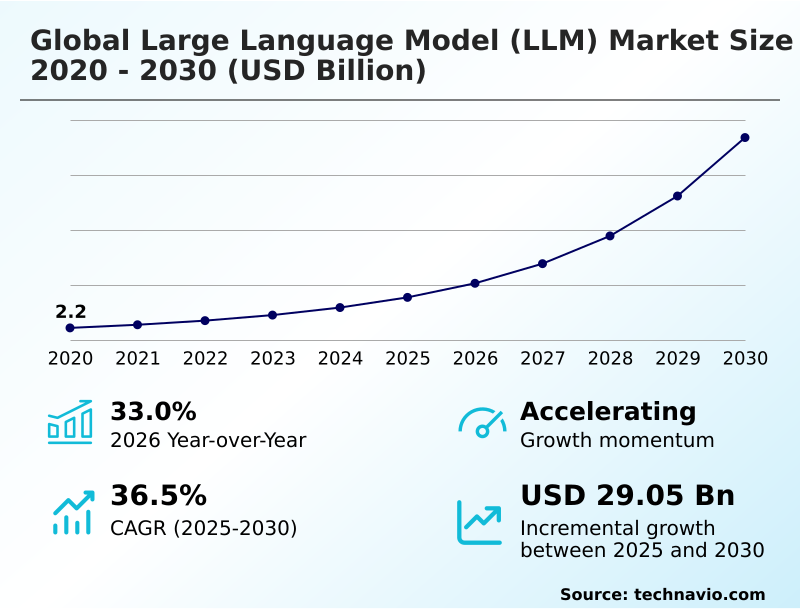
The large language model (llm) market size is valued to increase by USD 29.05 billion, at a CAGR of 36.5% from 2025 to 2030. Proliferation of autonomous AI agents in enterprise workflows will drive the large language model (llm) market.
Major Market Trends & Insights
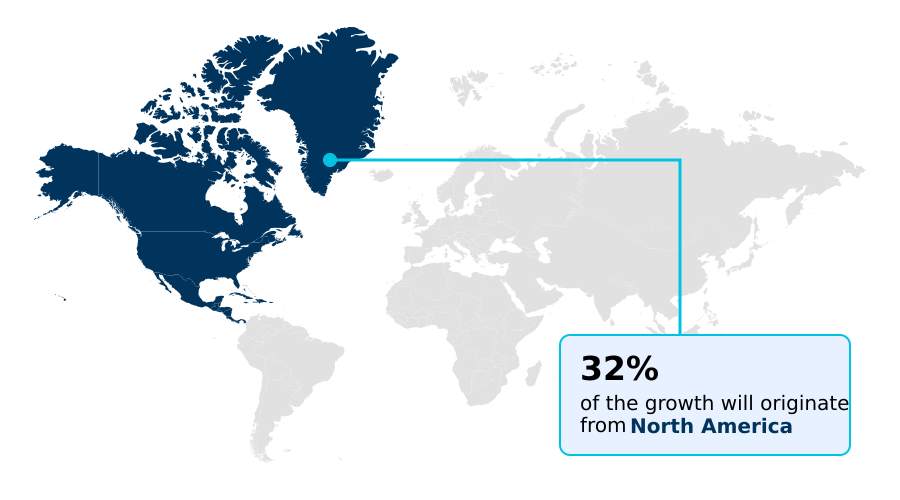
- North America dominated the market and accounted for a 31.7% growth during the forecast period.
- By Component - Solutions segment was valued at USD 3.78 billion in 2024
- By Type - Below 100 B parameters segment accounted for the largest market revenue share in 2024
Market Size & Forecast
- Market Opportunities: USD 34.61 billion
- Market Future Opportunities: USD 29.05 billion
- CAGR from 2025 to 2030 : 36.5%
Market Summary
- The large language model (llm) market is undergoing a significant transformation, driven by advancements in transformer-based neural networks that enable sophisticated real-time reasoning. The industry is pivoting from general-purpose conversational agents to specialized agentic architectures capable of handling complex, multi-step tasks.
- This evolution is enabling new applications in high-stakes industries, where fine-tuned models are used for functions like automated compliance monitoring in finance. However, growth is tempered by persistent challenges, including high computational costs and the risk of model hallucination, which necessitates advanced mitigation techniques like retrieval-augmented generation (rag).
- Moreover, navigating the complex landscape of data sovereignty and privacy regulations is a critical consideration for global deployments. As multimodal architectures become standard, these systems are increasingly able to process and synthesize diverse data types, making them a foundational technology for enterprise-wide automation and cognitive computing initiatives. The focus remains on improving reasoning capabilities while ensuring model governance and security.
What will be the Size of the Large Language Model (LLM) Market during the forecast period?
Get Key Insights on Market Forecast (PDF) Get Free Sample
How is the Large Language Model (LLM) Market Segmented?
The large language model (llm) industry research report provides comprehensive data (region-wise segment analysis), with forecasts and estimates in "USD million" for the period 2026-2030, as well as historical data from 2020-2024 for the following segments.
- Component
- Solutions
- Services
- Type
- Below 100 B parameters
- Above 100 B parameters
- End-user
- IT and ITES
- Healthcare
- BFSI
- Education
- Others
- Geography
- North America
- US
- Canada
- Mexico
- Europe
- UK
- Germany
- France
- APAC
- China
- Japan
- India
- Middle East and Africa
- Saudi Arabia
- UAE
- South Africa
- South America
- Brazil
- Argentina
- Colombia
- Rest of World (ROW)
- North America
By Component Insights
The solutions segment is estimated to witness significant growth during the forecast period.
The large language model (llm) market solutions segment is evolving from standalone tools to deeply integrated platforms. Core offerings include model-as-a-service (maas) solutions and direct api access, which are foundational for enterprise adoption.
A significant shift is toward specialized, fine-tuned models for specific verticals and multimodal architectures that process diverse data types. These systems power advanced conversational agents and are integral to new cognitive computing initiatives and augmented programming paradigms.
Deployment is increasingly flexible, with options for on-premise deployment to ensure data security.
This evolution supports enhanced enterprise capabilities, with some platforms improving developer efficiency in code generation tasks by over 20%, reflecting a move toward more sophisticated and embedded AI solutions.
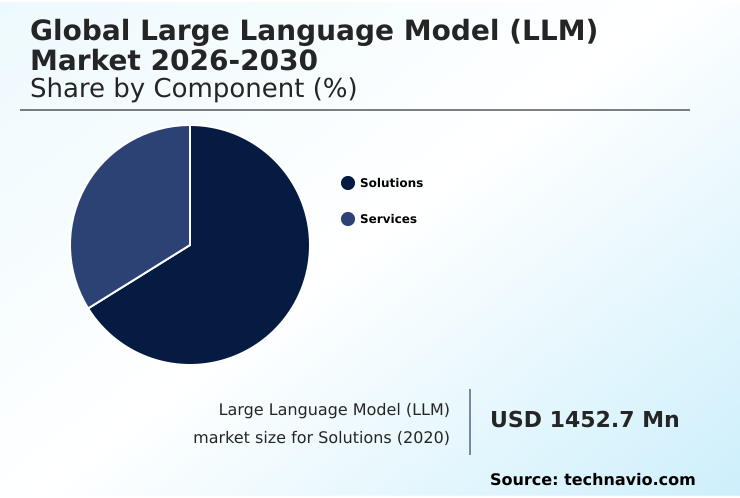
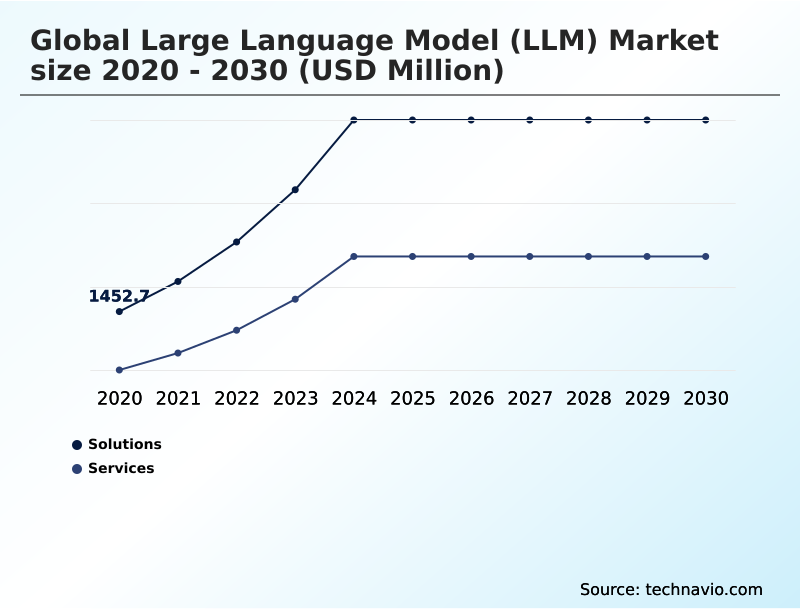
The Solutions segment was valued at USD 3.78 billion in 2024 and showed a gradual increase during the forecast period.
Regional Analysis
North America is estimated to contribute 31.7% to the growth of the global market during the forecast period.Technavio’s analysts have elaborately explained the regional trends and drivers that shape the market during the forecast period.
See How Large Language Model (LLM) Market Demand is Rising in North America Get Free Sample
The geographic landscape of the large language model (llm) market is characterized by distinct regional dynamics.
North America leads in innovation and market share, accounting for over 31% of the incremental growth, driven by a high concentration of foundational model developers and enterprise ai integration. The region's focus is on agentic architectures and tool-use proficiency.
In contrast, Europe emphasizes data sovereignty and responsible ai development, with regulations shaping the demand for compliant, on-premise deployment and transparent training methodologies.
The APAC region, contributing to over 28% of the market opportunity, is the fastest-growing market, with a focus on cost-to-performance ratios and the deployment of small language models for mobile-first applications.
This regional diversity underscores a global market where technical leadership, regulatory alignment, and economic efficiency are key competitive differentiators.
Market Dynamics
Our researchers analyzed the data with 2025 as the base year, along with the key drivers, trends, and challenges. A holistic analysis of drivers will help companies refine their marketing strategies to gain a competitive advantage.
- Enterprise adoption of advanced AI is accelerating, beginning with the use of generative ai for the software development lifecycle to enhance productivity. This initial step often evolves into deploying ai agents in digital and physical environments, which requires sophisticated governance of ai model weights and data.
- A major focus is on improving factual accuracy with retrieval augmentation, a critical step for deploying specialized models for healthcare and finance. As these systems mature, they are leveraged for real-time reasoning for industrial safety and as ai-driven services for active user scaling.
- The ultimate goal for many organizations is achieving high-autonomy solutions for process automation, which involves integrating autonomous agents for enterprise workflows and agentic ai for customer lifecycle management. Teams employing fine-tuning models for legal research automation complete discovery tasks in less than half the time compared to traditional methods.
- Navigating this journey requires managing high inference costs at scale and ensuring data sovereignty in private clouds. It also involves securing models against prompt injection attacks and mitigating model hallucination in legal services.
- The rise of cost-efficient small language models for edge and the optimization of models for on-device deployment are making these advanced capabilities more accessible, enabling multimodal inputs for real-time analysis and natural language for medical diagnostics support across a wider range of industries.
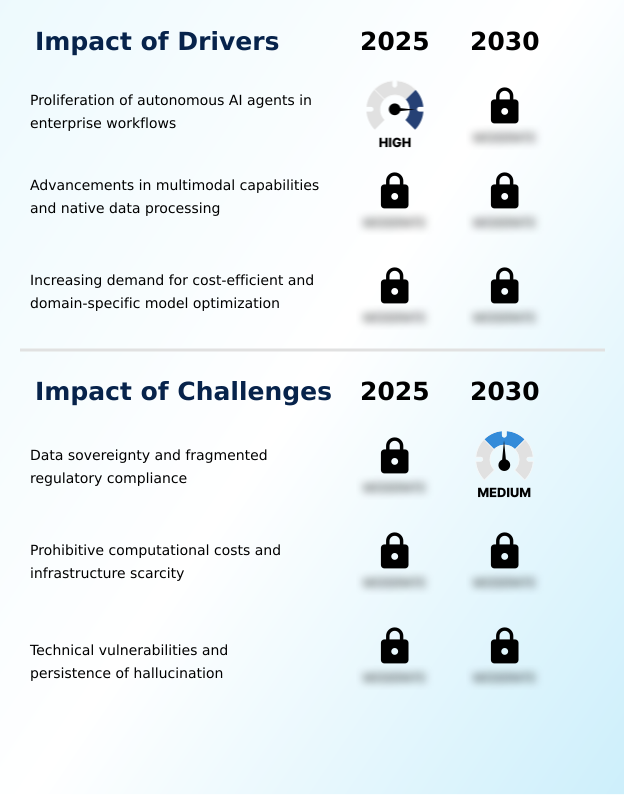
What are the key market drivers leading to the rise in the adoption of Large Language Model (LLM) Industry?
- The proliferation of autonomous AI agents within enterprise workflows is a primary driver accelerating market growth.
- The primary driver for the large language model (llm) market is the rapid evolution of these systems into autonomous, goal-oriented ai agents.
- This shift toward agentic architectures is expanding the total addressable market by an estimated 30% as enterprises move from simple text generation to end-to-end process automation.
- A second major driver is the transition toward native multimodality, where a model's ability to perform cross-modal reasoning enables new applications in visual and auditory-heavy industries. A third driver is the growing focus on model efficiency.
- The deployment of specialized, domain-specific architectures and optimization techniques allows organizations to run high-performing, fine-tuned models on reduced hardware, with some domain-specific models lowering inference costs by over 50% for targeted applications.
What are the market trends shaping the Large Language Model (LLM) Industry?
- A key trend shaping the market is the rise of agentic AI. These systems are evolving to handle autonomous task execution, moving beyond simple conversational roles.
- A definitive trend reshaping the large language model (llm) market is the transition toward dynamic, agentic architectures. These systems move beyond conversational roles to perform autonomous task execution, with some platforms achieving 95% accuracy in end-to-end procurement workflows. This shift drives demand for models with superior reasoning capabilities.
- Concurrently, the convergence of native multimodality and real-time reasoning is expanding use cases; natively multimodal systems reduce data processing latency by up to 40% compared to architectures with separate encoders. Another powerful trend is the democratization of AI through the proliferation of small language models and on-device deployment.
- These distilled models, optimized via techniques like quantization, offer a strong cost-to-performance ratio, making advanced AI accessible to a broader range of enterprises.
What challenges does the Large Language Model (LLM) Industry face during its growth?
- A key challenge affecting industry growth is navigating complex data sovereignty requirements and fragmented regulatory compliance frameworks.
- The foremost challenge for the large language model (llm) market is navigating data sovereignty and fragmented regulatory frameworks. Adhering to disparate international laws can increase compliance-related operational overhead by up to 25%. A second challenge is the prohibitive cost and scarcity of high-performance computing infrastructure.
- The high capital expenditure for on-premise hardware remains a barrier for over 60% of small and medium-sized enterprises, creating a divide in the market. A third critical challenge involves technical vulnerabilities, particularly model hallucination and a lack of guaranteed logical consistency.
- The unpredictability of model outputs necessitates costly human-in-the-loop verification systems, slowing the adoption of fully autonomous systems in high-stakes environments and impacting cost-to-performance ratios.
Exclusive Technavio Analysis on Customer Landscape
The large language model (llm) market forecasting report includes the adoption lifecycle of the market, covering from the innovator’s stage to the laggard’s stage. It focuses on adoption rates in different regions based on penetration. Furthermore, the large language model (llm) market report also includes key purchase criteria and drivers of price sensitivity to help companies evaluate and develop their market growth analysis strategies.
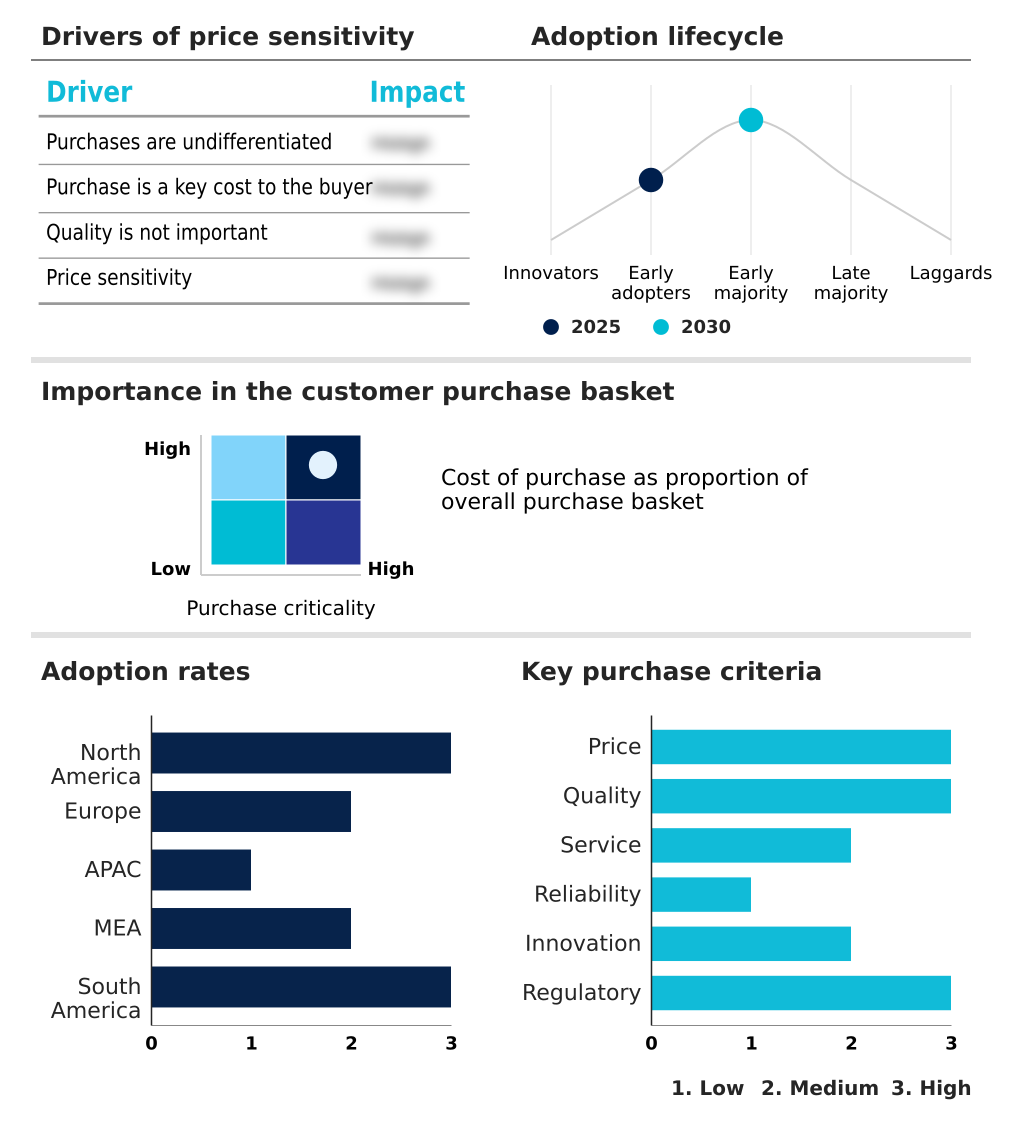
Customer Landscape of Large Language Model (LLM) Industry
Competitive Landscape
Companies are implementing various strategies, such as strategic alliances, large language model (llm) market forecast, partnerships, mergers and acquisitions, geographical expansion, and product/service launches, to enhance their presence in the industry.
AI21 Labs - Offerings focus on multimodal reasoning and language understanding, powering a spectrum of generative AI applications for complex enterprise use cases.
The industry research and growth report includes detailed analyses of the competitive landscape of the market and information about key companies, including:
- AI21 Labs
- Alibaba Cloud
- Anthropic
- Baidu Inc.
- Cohere
- Databricks Inc.
- DeepSeek
- Fujitsu Ltd
- Google LLC
- Huawei Technologies Co. Ltd.
- IBM Corp.
- Meta Platforms Inc.
- MiniMax AI
- Mistral AI
- Moonshot AI
- OpenAI
- Snowflake Inc.
- Tencent Holdings Ltd.
- xAI Corp
- Zhipu AI
Qualitative and quantitative analysis of companies has been conducted to help clients understand the wider business environment as well as the strengths and weaknesses of key industry players. Data is qualitatively analyzed to categorize companies as pure play, category-focused, industry-focused, and diversified; it is quantitatively analyzed to categorize companies as dominant, leading, strong, tentative, and weak.
Recent Development and News in Large language model (llm) market
- In August, 2025, OpenAI released GPT-5, a unified multimodal system designed to handle complex, multi-step workflows with a significantly expanded context window.
- In May, 2025, Anthropic introduced its Claude 4 series, designed to compete in the enterprise agentic tool space by enabling advanced workflow automation.
- In April, 2025, Meta Platforms Inc. continued its support for open-source development by launching Llama 4, which achieved over one billion cumulative downloads by mid-year.
- In February, 2025, Microsoft introduced Magma, a multimodal foundation model enabling AI agents to operate across digital and physical environments by processing visual and textual inputs.
Dive into Technavio’s robust research methodology, blending expert interviews, extensive data synthesis, and validated models for unparalleled Large Language Model (LLM) Market insights. See full methodology.
| Market Scope | |
|---|---|
| Page number | 295 |
| Base year | 2025 |
| Historic period | 2020-2024 |
| Forecast period | 2026-2030 |
| Growth momentum & CAGR | Accelerate at a CAGR of 36.5% |
| Market growth 2026-2030 | USD 29052.7 million |
| Market structure | Fragmented |
| YoY growth 2025-2026(%) | 33.0% |
| Key countries | US, Canada, Mexico, UK, Germany, France, The Netherlands, Italy, Spain, China, Japan, India, Australia, South Korea, Indonesia, Saudi Arabia, UAE, South Africa, Israel, Turkey, Brazil, Argentina and Colombia |
| Competitive landscape | Leading Companies, Market Positioning of Companies, Competitive Strategies, and Industry Risks |
Research Analyst Overview
- The large language model (llm) market is fundamentally shaped by transformer-based neural networks, which underpin the advanced natural language understanding and reasoning capabilities of modern systems. A key boardroom decision involves balancing the adoption of model-as-a-service (maas) platforms against the development of sovereign ai capabilities, a choice influenced by factors like data sovereignty and the need for highly fine-tuned models.
- The technical landscape is advancing through techniques such as mixture-of-experts (moe) architectures, quantization, and distillation to manage computational costs and inference expenses. The deployment of reasoning-enhanced foundational models with long context windows and tool-search architecture is enabling sophisticated autonomous task execution. Multimodal architectures are becoming standard, allowing for cross-modal reasoning.
- However, challenges persist, including model hallucination, which is being addressed by retrieval-augmented generation (rag) and reinforcement learning from human feedback (rlhf), with RAG shown to reduce errors by over 40%. Security concerns like prompt injection and model inversion attacks require robust defenses.
- The market includes everything from high-parameter models for complex tasks to small language models optimized for edge deployment and on-device deployment, all managed through evolving training methodologies and governance of model weights.
What are the Key Data Covered in this Large Language Model (LLM) Market Research and Growth Report?
-
What is the expected growth of the Large Language Model (LLM) Market between 2026 and 2030?
-
USD 29.05 billion, at a CAGR of 36.5%
-
-
What segmentation does the market report cover?
-
The report is segmented by Component (Solutions, and Services), Type (Below 100 B parameters, and Above 100 B parameters), End-user (IT and ITES, Healthcare, BFSI, Education, and Others) and Geography (North America, Europe, APAC, Middle East and Africa, South America)
-
-
Which regions are analyzed in the report?
-
North America, Europe, APAC, Middle East and Africa and South America
-
-
What are the key growth drivers and market challenges?
-
Proliferation of autonomous AI agents in enterprise workflows, Data sovereignty and fragmented regulatory compliance
-
-
Who are the major players in the Large Language Model (LLM) Market?
-
AI21 Labs, Alibaba Cloud, Anthropic, Baidu Inc., Cohere, Databricks Inc., DeepSeek, Fujitsu Ltd, Google LLC, Huawei Technologies Co. Ltd., IBM Corp., Meta Platforms Inc., MiniMax AI, Mistral AI, Moonshot AI, OpenAI, Snowflake Inc., Tencent Holdings Ltd., xAI Corp and Zhipu AI
-
Market Research Insights
- Enterprises are rapidly adopting goal-oriented ai agents for multi-step problem-solving, with firms leveraging these systems reporting a 20% increase in productivity. The adoption of native multimodality architectures and a focus on responsible ai development are enabling new ai-native applications. This shift facilitates enterprise ai integration and augmented programming, with human-in-the-loop verification ensuring logical consistency.
- As organizations prioritize data privacy, demand for on-premise deployment and robust model governance is rising. This requires advanced semantic understanding and clear data sourcing and lineage tracking. The market is also seeing a rise in ai literacy and machine-to-machine interactions, supported by api access for code generation.
- This trend is central to cognitive computing initiatives, with applications in diagnostic decision support, multilingual communication, personalized learning experiences, and automated compliance monitoring, driving a need for solutions that address fragmented regulatory frameworks and support public sector digitalization.
We can help! Our analysts can customize this large language model (llm) market research report to meet your requirements.
 RIA -
RIA -