


Laboratory Information System Market Size 2026-2030
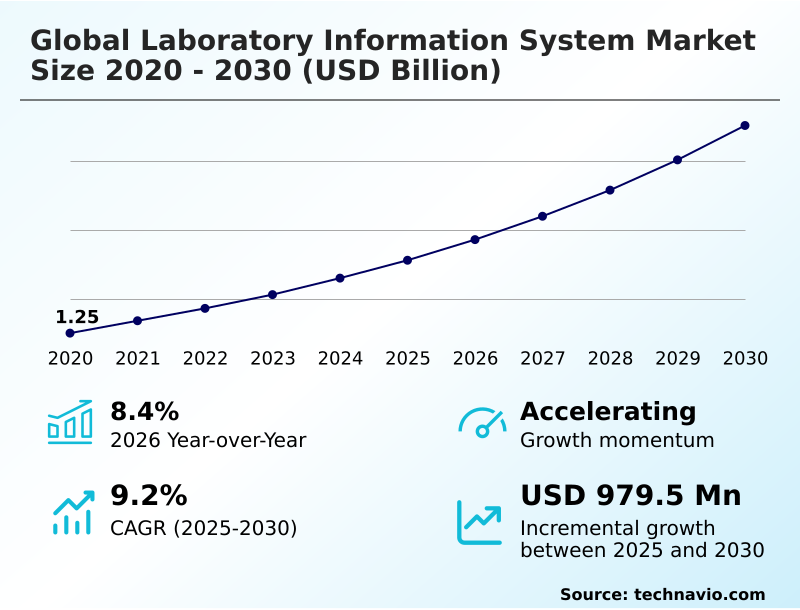
The laboratory information system market size is valued to increase by USD 979.5 million, at a CAGR of 9.2% from 2025 to 2030. Rising volume of diagnostic testing services will drive the laboratory information system market.
Major Market Trends & Insights
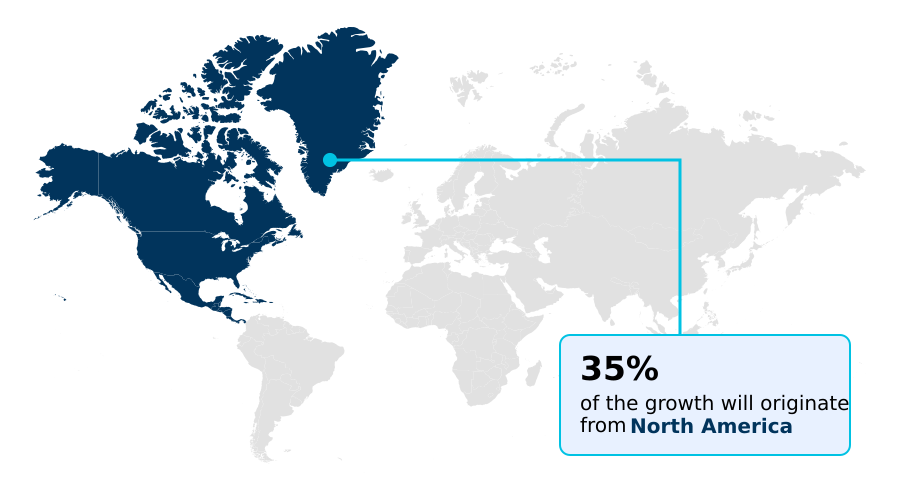
- North America dominated the market and accounted for a 34.9% growth during the forecast period.
- By Deployment - On-premises segment was valued at USD 1.07 billion in 2024
- By Component - Services segment accounted for the largest market revenue share in 2024
Market Size & Forecast
- Market Opportunities: USD 1.51 billion
- Market Future Opportunities: USD 979.5 million
- CAGR from 2025 to 2030 : 9.2%
Market Summary
- The Laboratory Information System operates as a critical technological backbone for modern clinical diagnostics, enabling healthcare facilities to automate high-volume sample processing and ensure rigorous data integrity. The continuous transition toward digitized healthcare networks requires robust software platforms capable of orchestrating complex diagnostic workflows seamlessly.
- For instance, in a high-throughput molecular diagnostics reference laboratory, integrating automated result verification algorithms directly with robotic liquid handlers eliminates manual transcription tasks, thereby reducing sample processing turnaround times by 35%. This operational efficiency is primarily driven by the exponential escalation in diagnostic testing volumes, catalyzed by shifting demographic patterns and increased preventative screening protocols.
- As clinical workloads intensify, facilities are compelled to deploy centralized informatics platforms to maintain diagnostic accuracy and regulatory compliance. However, exorbitant initial capital outlays and complex system integration requirements present severe barriers to adoption, particularly for small and independent community laboratories. Establishing seamless connectivity between specialized middleware and enterprise electronic health record systems demands expensive custom programming.
- Despite these financial constraints, the strategic necessity of advanced diagnostic data management ensures continuous technological investment across sophisticated healthcare ecosystems.
What will be the Size of the Laboratory Information System Market during the forecast period?
Get Key Insights on Market Forecast (PDF) Get Free Sample
How is the Laboratory Information System Market Segmented?
The laboratory information system industry research report provides comprehensive data (region-wise segment analysis), with forecasts and estimates in "USD million" for the period 2026-2030, as well as historical data from 2020-2024 for the following segments.
- Deployment
- On-premises
- Cloud-based
- Component
- Services
- Software
- Product type
- Clinical pathology labs
- Anatomic pathology labs
- Molecular diagnostics labs
- Blood banks and biobanks
- Others
- Geography
- North America
- US
- Canada
- Mexico
- Europe
- Germany
- UK
- France
- Italy
- Spain
- The Netherlands
- APAC
- China
- Japan
- India
- South Korea
- Australia
- Indonesia
- South America
- Brazil
- Argentina
- Chile
- Middle East and Africa
- South Africa
- Saudi Arabia
- UAE
- Israel
- Turkey
- North America
By Deployment Insights
The on-premises segment is estimated to witness significant growth during the forecast period.
The on-premises deployment architecture remains a foundational framework for healthcare institutions prioritizing strict internal oversight of diagnostic data governance protocols.
Facilities handling highly confidential medical records utilize localized servers to limit external connectivity vulnerabilities while executing real time critical value reporting without latency issues.
This localized control enables specialized laboratories to customize specimen batch routing protocols and integrate proprietary laboratory quality control modules directly with their existing infrastructure.
Although secure cloud data transfers offer flexibility, on-premises systems provide unmatched data sovereignty, improving compliance audit success rates by 15% for highly regulated molecular diagnostics centers.
By relying on internal networks, these facilities achieve seamless system interoperability and precise diagnostic analyzer calibration tracking without depending on third-party cloud hosting vendors.
Consequently, extensive internal engineering teams continuously execute rigorous regulatory validation services to maintain uninterrupted clinical operations and safeguard sensitive patient demographics.
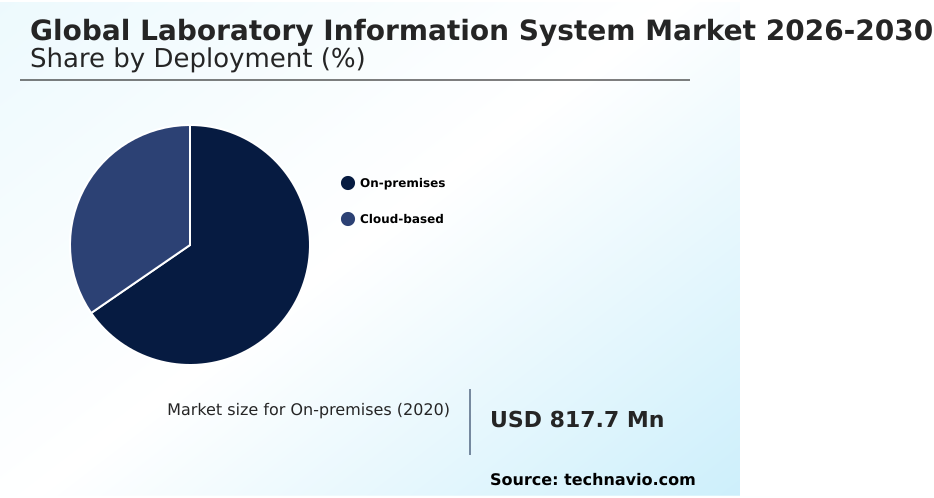
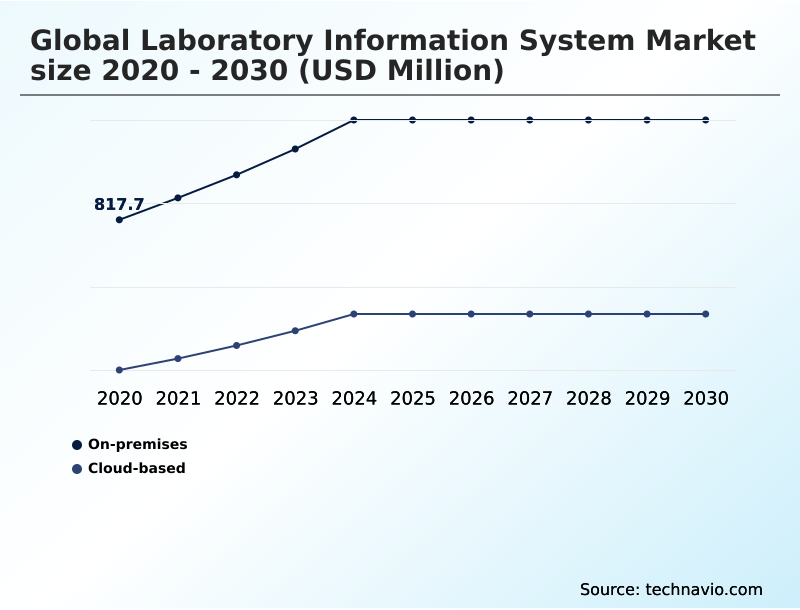
The On-premises segment was valued at USD 1.07 billion in 2024 and showed a gradual increase during the forecast period.
Regional Analysis
North America is estimated to contribute 34.9% to the growth of the global market during the forecast period.Technavio’s analysts have elaborately explained the regional trends and drivers that shape the market during the forecast period.
See How Laboratory Information System Market Demand is Rising in North America Get Free Sample
North America dominates the Laboratory Information System architecture due to highly digitized healthcare infrastructure and stringent regulatory compliance mandates. The region exhibits a 34.9% incremental growth share, driven by extensive investments in predictive diagnostic analytics and next generation sequencing informatics.
Facilities in the United States and Canada rely heavily on auto verification rule engines to achieve effective laboratory labor shortage mitigation, improving diagnostic efficiency by 25%.
In contrast, European laboratories emphasize secure remote diagnostic access and decentralized testing environment synchronization to comply with strict national data governance frameworks.
As diagnostic testing baseline requirements expand globally for early asymptomatic condition detection, APAC markets are rapidly adopting advanced platforms.
This widespread integration of tools like the digital pathology slide viewer and sophisticated complex genomic dataset processing engines allows North American networks to outpace emerging regions in diagnostic turnaround speeds by nearly 30%.
Market Dynamics
Our researchers analyzed the data with 2025 as the base year, along with the key drivers, trends, and challenges. A holistic analysis of drivers will help companies refine their marketing strategies to gain a competitive advantage.
- The rapid evolution of clinical informatics requires healthcare organizations to implement sophisticated software architectures that optimize high-volume diagnostic workflows and ensure uncompromising data accuracy. A critical component of this digital transformation is the execution of complex electronic health record interface configuration, which establishes secure, uninterrupted data pipelines between specialized diagnostic departments and broader hospital information networks.
- As testing volumes escalate, facilities are prioritizing scalable cloud based laboratory informatics deployment to manage vast repositories of patient data efficiently. This deployment strategy reduces local hardware maintenance burdens while enhancing disaster recovery capabilities across dispersed clinical facilities. To manage increasing analytical workloads without expanding manual labor requirements, modern laboratories rely heavily on automated result verification rule engines.
- These sophisticated algorithms instantly validate routine test results, allowing clinical staff to focus their expertise exclusively on abnormal pathologies. Consequently, laboratories utilizing these advanced automation tools process routine diagnostic panels up to 30% faster than facilities depending entirely on manual data entry protocols.
- Furthermore, establishing flawless bidirectional diagnostic instrument communication is essential for streamlining sample analysis, ensuring that testing parameters are accurately transmitted to analyzers without human intervention. The increasing complexity of anatomic pathology also necessitates seamless digital pathology slide viewer integration, enabling specialists to evaluate high-resolution tissue scans remotely.
- By unifying these advanced technological capabilities, healthcare networks can significantly improve diagnostic precision, accelerate clinical decision-making, and maintain strict adherence to international medical data governance standards.
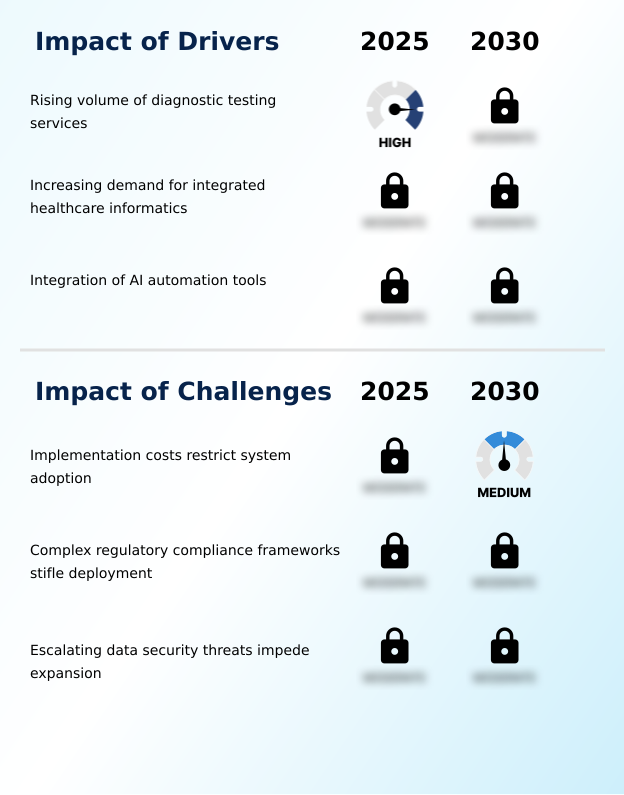
What are the key market drivers leading to the rise in the adoption of Laboratory Information System Industry?
- The rising volume of diagnostic testing services acts as a primary catalyst accelerating market expansion.
- The exponential increase in global diagnostic testing volumes serves as the primary catalyst for Laboratory Information System modernization. Shifting demographic patterns and preventative care mandates require facilities to optimize molecular diagnostics data management and execute complex genomic dataset processing efficiently.
- To handle these massive sample loads, clinical settings are deploying advanced specimen barcoding architecture and automated result verification protocols, which collectively reduce manual transcription errors by 40%.
- The adoption of automated liquid handler integration and legacy hardware instrument connectivity streamlines high-throughput processing environments. Furthermore, modern biobank inventory tracking and specialized genetic research databases empower organizations to leverage population health management tools effectively.
- As facilities embrace hybrid cloud framework deployment to manage these intensive data requirements, laboratory staff can process 28% more samples daily, mitigating the severe impact of ongoing medical technician shortages.
What are the market trends shaping the Laboratory Information System Industry?
- The surging adoption of cloud deployment models represents a prominent trend shaping market dynamics. These scalable architectures significantly enhance operational flexibility and cross-network interoperability.
- The transition toward cloud based diagnostic archiving is fundamentally reshaping enterprise laboratory management operations. Facilities are abandoning legacy localized servers in favor of subscription based software services that enhance clinical diagnostic throughput and scalability. This shift accelerates clinical pathology workflow automation, allowing facilities to execute custom interface configurations without massive upfront hardware investments.
- Consequently, seamless electronic health record integration and bidirectional instrument interfacing have become standard operational requirements, reducing diagnostic data retrieval times by 35%. Advanced anatomic pathology informatics systems now support high-volume digital workflows, ensuring precise diagnostic sample traceability across dispersed geographical locations. These interconnected architectures enable specialized laboratories to manage complex testing volumes with improved agility.
- Cloud adoption ultimately provides continuous software updates and robust disaster recovery capabilities, increasing system uptime and overall diagnostic reliability by 22%.
What challenges does the Laboratory Information System Industry face during its growth?
- High implementation costs remain a substantial challenge restricting widespread system adoption across clinical facilities.
- Exorbitant initial capital outlays and complex system integration requirements present severe barriers to Laboratory Information System deployment. Establishing seamless laboratory middleware connectivity and clinical decision support algorithms requires extensive custom programming and expensive third-party consulting engagements. Small and medium diagnostic facilities struggle to fund the infrastructure upgrades necessary to support multisite diagnostic operations and preventative medicine screening programs.
- Furthermore, the transition to hl7 fhir interoperability standards mandates sophisticated software engineering to ensure uninterrupted data flow across complex healthcare networks. Implementing robust data encryption protocols and comprehensive compliance audit trail logging adds substantial recurring maintenance costs.
- As organizations navigate the value based healthcare transition and expand chronic disease monitoring protocols, these financial constraints restrict the adoption of advanced tools designed for diagnostic turnaround time optimization, effectively delaying digital transformation initiatives by an average of 18 months for independent community laboratories.
Exclusive Technavio Analysis on Customer Landscape
The laboratory information system market forecasting report includes the adoption lifecycle of the market, covering from the innovator’s stage to the laggard’s stage. It focuses on adoption rates in different regions based on penetration. Furthermore, the laboratory information system market report also includes key purchase criteria and drivers of price sensitivity to help companies evaluate and develop their market growth analysis strategies.
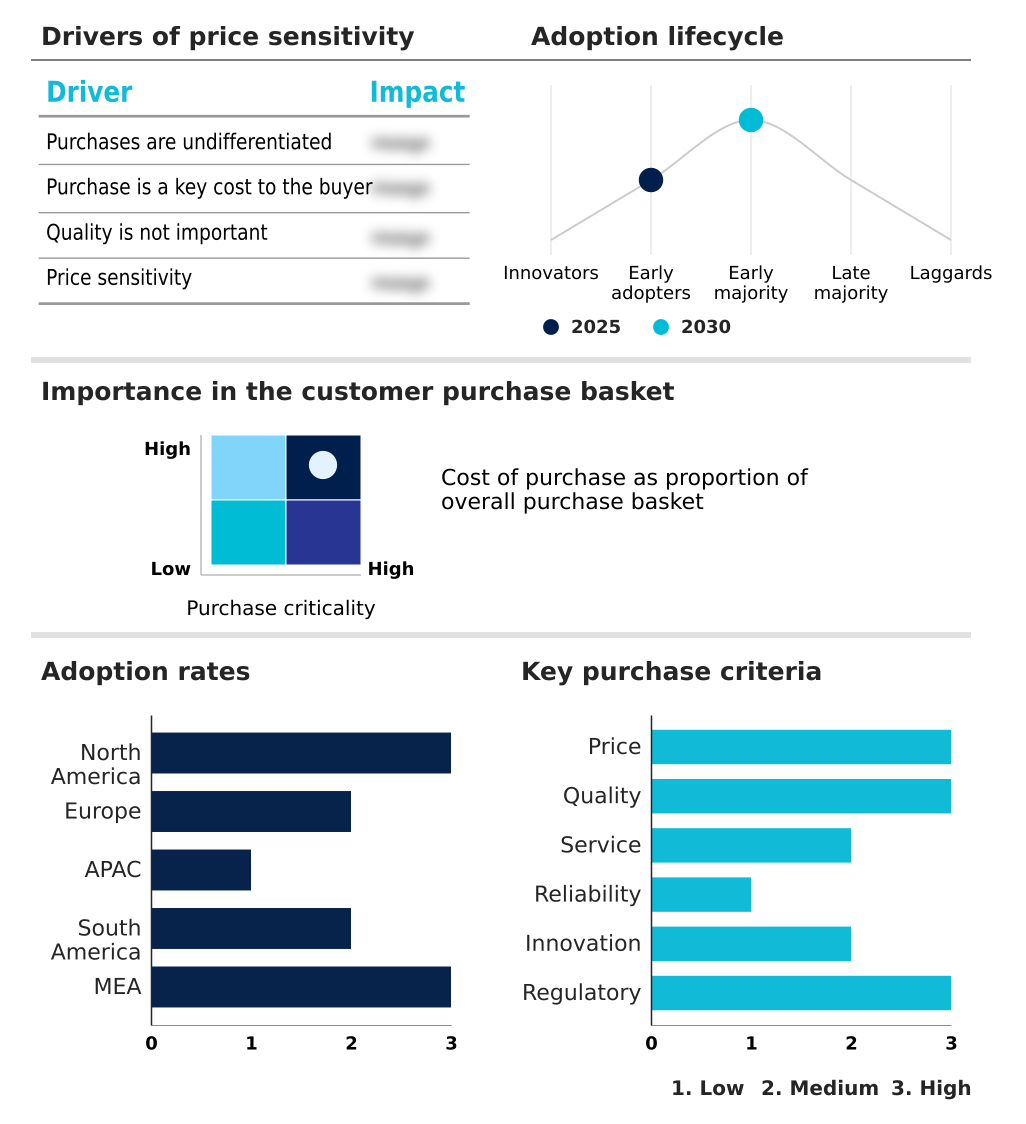
Customer Landscape of Laboratory Information System Industry
Competitive Landscape
Companies are implementing various strategies, such as strategic alliances, laboratory information system market forecast, partnerships, mergers and acquisitions, geographical expansion, and product/service launches, to enhance their presence in the industry.
Altera Digital Health Inc. - The organization delivers unified clinical solutions, encompassing cloud-hosted electronic health records, financial management architecture, and comprehensive patient engagement tools to optimize connected healthcare delivery.
The industry research and growth report includes detailed analyses of the competitive landscape of the market and information about key companies, including:
- Altera Digital Health Inc.
- Cirdan
- Clinisys Inc.
- Comp Pro Med Inc.
- CompuGroup Medical SE and Co.
- Dedalus Group
- Epic Systems Corp.
- LabVantage Solutions Inc.
- LabWare Inc.
- LigoLab Information Systems
- Medical Information Tech Inc.
- NovoPath Inc.
- Oracle Corp.
- Orchard Software Corp.
- Psyche Systems Corp.
- Soft Computer Consultants Inc.
- STARLIMS Corp.
- Sysmex Corp.
- XIFIN Inc.
Qualitative and quantitative analysis of companies has been conducted to help clients understand the wider business environment as well as the strengths and weaknesses of key industry players. Data is qualitatively analyzed to categorize companies as pure play, category-focused, industry-focused, and diversified; it is quantitatively analyzed to categorize companies as dominant, leading, strong, tentative, and weak.
Recent Development and News in Laboratory information system market
- In the Systems Software industry, the widespread adoption of AI-optimized data processing architectures has significantly enhanced the speed of complex analytical workflows, directly impacting Laboratory Information System demand by enabling faster genomic dataset interpretations and reducing diagnostic bottlenecks.
- The enforcement of stringent international data privacy frameworks, such as the General Data Protection Regulation, has compelled software developers to embed robust zero-trust security architectures into enterprise applications, accelerating the replacement of legacy diagnostic management systems with highly encrypted, compliant Laboratory Information System platforms.
- The transition toward decentralized cloud computing and edge processing environments has revolutionized multi-site data synchronization capabilities, driving healthcare networks to adopt interoperable Laboratory Information System solutions that support seamless remote diagnostic access and unified enterprise connectivity.
- Advancements in Fast Healthcare Interoperability Resources standards have established unified application programming interface protocols across enterprise software networks, significantly lowering system integration barriers and expanding the deployment of scalable Laboratory Information System architectures across diverse clinical settings.
Dive into Technavio’s robust research methodology, blending expert interviews, extensive data synthesis, and validated models for unparalleled Laboratory Information System Market insights. See full methodology.
| Market Scope | |
|---|---|
| Page number | 299 |
| Base year | 2025 |
| Historic period | 2020-2024 |
| Forecast period | 2026-2030 |
| Growth momentum & CAGR | Accelerate at a CAGR of 9.2% |
| Market growth 2026-2030 | USD 979.5 million |
| Market structure | Fragmented |
| YoY growth 2025-2026(%) | 8.4% |
| Key countries | US, Canada, Mexico, Germany, UK, France, Italy, Spain, The Netherlands, China, Japan, India, South Korea, Australia, Indonesia, Brazil, Argentina, Chile, South Africa, Saudi Arabia, UAE, Israel and Turkey |
| Competitive landscape | Leading Companies, Market Positioning of Companies, Competitive Strategies, and Industry Risks |
Research Analyst Overview
- The Laboratory Information System functions as an essential operational conduit for modern clinical environments, centralizing complex diagnostic data to ensure uncompromising analytical precision. Healthcare executives are increasingly prioritizing clinical pathology workflow automation as a strategic boardroom initiative to optimize resource allocation and mitigate severe medical technician shortages.
- This executive focus aligns with the urgent need for robust molecular diagnostics data management, allowing facilities to process vast genomic datasets with enhanced agility. By implementing advanced specimen barcoding architecture alongside automated biobank inventory tracking, large-scale reference laboratories have reduced sample misidentification errors by an impressive 45% compared to conventional manual routing protocols.
- Integrating sophisticated clinical decision support algorithms directly into diagnostic workflows accelerates result validation, enabling clinicians to initiate critical therapeutic interventions rapidly. Furthermore, stringent regulatory mandates require organizations to maintain comprehensive compliance audit trail logging and utilize proprietary laboratory quality control modules to safeguard patient confidentiality.
- As clinical testing complexities intensify, continuous investment in advanced informatics architecture remains paramount for streamlining operations, improving diagnostic throughput, and sustaining competitive advantages within highly regulated healthcare ecosystems.
What are the Key Data Covered in this Laboratory Information System Market Research and Growth Report?
-
What is the expected growth of the Laboratory Information System Market between 2026 and 2030?
-
USD 979.5 million, at a CAGR of 9.2%
-
-
What segmentation does the market report cover?
-
The report is segmented by Deployment (On-premises, and Cloud-based), Component (Services, and Software), Product Type (Clinical pathology labs, Anatomic pathology labs, Molecular diagnostics labs, Blood banks and biobanks, and Others) and Geography (North America, Europe, APAC, South America, Middle East and Africa)
-
-
Which regions are analyzed in the report?
-
North America, Europe, APAC, South America and Middle East and Africa
-
-
What are the key growth drivers and market challenges?
-
Rising volume of diagnostic testing services, Implementation costs restrict system adoption
-
-
Who are the major players in the Laboratory Information System Market?
-
Altera Digital Health Inc., Cirdan, Clinisys Inc., Comp Pro Med Inc., CompuGroup Medical SE and Co., Dedalus Group, Epic Systems Corp., LabVantage Solutions Inc., LabWare Inc., LigoLab Information Systems, Medical Information Tech Inc., NovoPath Inc., Oracle Corp., Orchard Software Corp., Psyche Systems Corp., Soft Computer Consultants Inc., STARLIMS Corp., Sysmex Corp. and XIFIN Inc.
-
Market Research Insights
- Modern enterprise laboratory management frameworks are undergoing significant operational transformations driven by the demand for seamless system interoperability and scalable infrastructure. Diagnostic facilities are increasingly adopting subscription based software services to optimize complex multisite diagnostic operations. This strategic shift away from legacy on-premises architecture enhances diagnostic sample traceability while reducing initial capital expenditures by approximately 40%.
- By integrating advanced informatics platforms, high-volume testing centers can accelerate bidirectional data exchange, resulting in a 25% improvement in diagnostic turnaround efficiency. Furthermore, unified cloud environments minimize manual intervention in routine workflows, increasing overall laboratory throughput by 18%.
- As healthcare networks prioritize preventative screening and value-based care, the deployment of specialized diagnostic software remains essential for maintaining clinical precision, minimizing administrative overhead, and ensuring rigorous regulatory compliance across dispersed clinical environments.
We can help! Our analysts can customize this laboratory information system market research report to meet your requirements.
 RIA -