


Cabinets Market Size 2026-2030
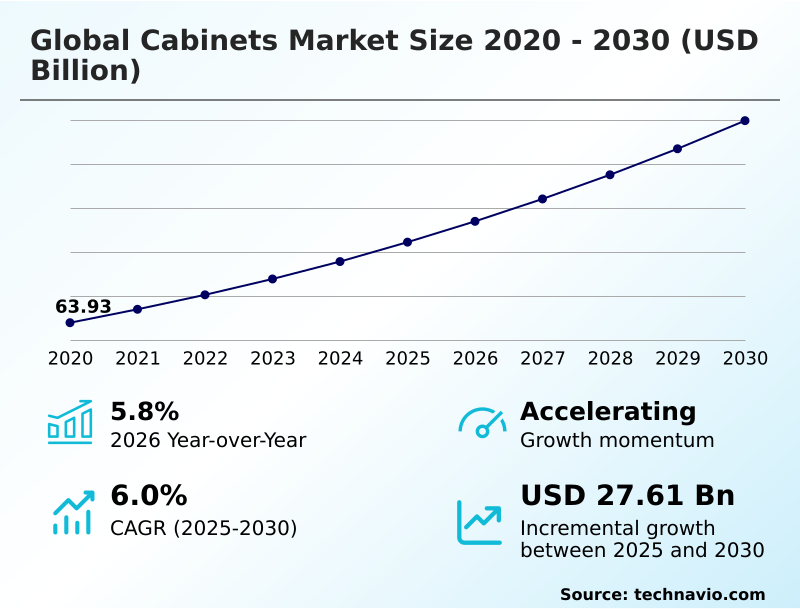
The cabinets market size is valued to increase by USD 27.61 billion, at a CAGR of 6% from 2025 to 2030. Accelerating urbanization and residential construction activities will drive the cabinets market.
Major Market Trends & Insights
- North America dominated the market and accounted for a 40.4% growth during the forecast period.
- By End-user - Residential segment was valued at USD 47.48 billion in 2024
- By Application - Kitchen cabinets segment accounted for the largest market revenue share in 2024
Market Size & Forecast
- Market Opportunities: USD 45.92 billion
- Market Future Opportunities: USD 27.61 billion
- CAGR from 2025 to 2030 : 6%
Market Summary
- The cabinets market is undergoing a significant transformation, driven by demands for higher functionality, aesthetic versatility, and sustainability. The core of the market revolves around providing integrated storage solutions for residential and commercial applications, from kitchen remodeling projects to large-scale commercial storage solutions.
- Key drivers include sustained urbanization, which fuels the need for space-optimized multi-functional storage units, and a growing consumer preference for personalization, boosting the semi-custom cabinetry segment. A major trend is the move toward smart kitchen integration, where features like sensor-activated lighting and automated shelving enhance user experience.
- At the same time, the industry grapples with challenges such as raw material cost volatility and a skilled labor shortage. In response, many firms are adopting advanced modular cabinetry frameworks and investing in precision manufacturing to improve efficiency.
- For example, a manufacturer optimizing its supply chain for low-emission substrates and hardware like soft-close hinges can reduce material waste and align with sustainable manufacturing practices, thereby strengthening its market position. The emphasis on ergonomic structural engineering and high-quality architectural millwork remains crucial for meeting modern design and accessibility standards.
What will be the Size of the Cabinets Market during the forecast period?
Get Key Insights on Market Forecast (PDF) Get Free Sample
How is the Cabinets Market Segmented?
The cabinets industry research report provides comprehensive data (region-wise segment analysis), with forecasts and estimates in "USD million" for the period 2026-2030, as well as historical data from 2020-2024 for the following segments.
- End-user
- Residential
- Commercial
- Application
- Kitchen cabinets
- Bathroom cabinets
- Others
- Distribution channel
- Home centers
- Online stores
- Others
- Geography
- North America
- US
- Canada
- Mexico
- Europe
- Germany
- UK
- France
- APAC
- China
- Japan
- India
- South America
- Brazil
- Argentina
- Middle East and Africa
- Saudi Arabia
- UAE
- South Africa
- Rest of World (ROW)
- North America
By End-user Insights
The residential segment is estimated to witness significant growth during the forecast period.
The residential sector is shaped by residential construction demand from both new housing starts and extensive renovation activities, with spending focused on kitchens and bathrooms.
Homeowners increasingly seek consumer personalization options, driving demand for semi-custom and custom units that facilitate property value enhancement. Design preferences are shifting, with shaker-style cabinets and european-style cabinetry gaining traction in open-concept floor plans.
Quality is paramount, evidenced by the demand for features like dovetail drawer boxes and full-overlay cabinet doors. Material choices such as thermal-fused laminate offer durability.
The market's structure relies on a mix of home improvement retail and specialized showrooms, supported by robust dealer network expansion to reach the growing luxury cabinetry market. Over 60% of renovation budgets targeting kitchens focus on cabinetry upgrades.
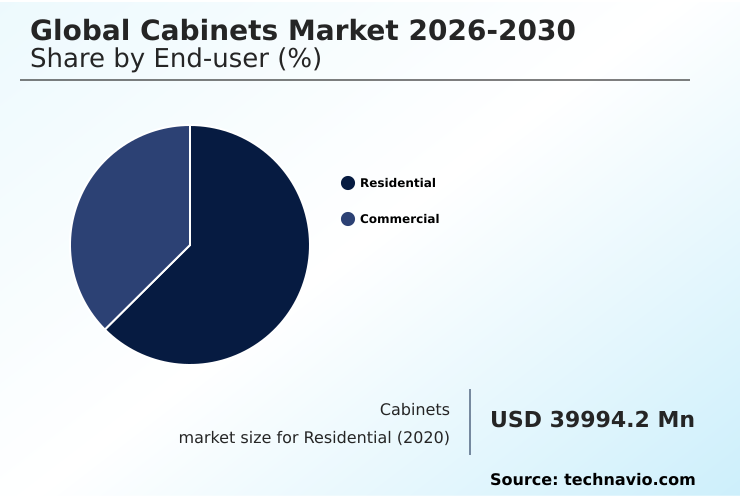
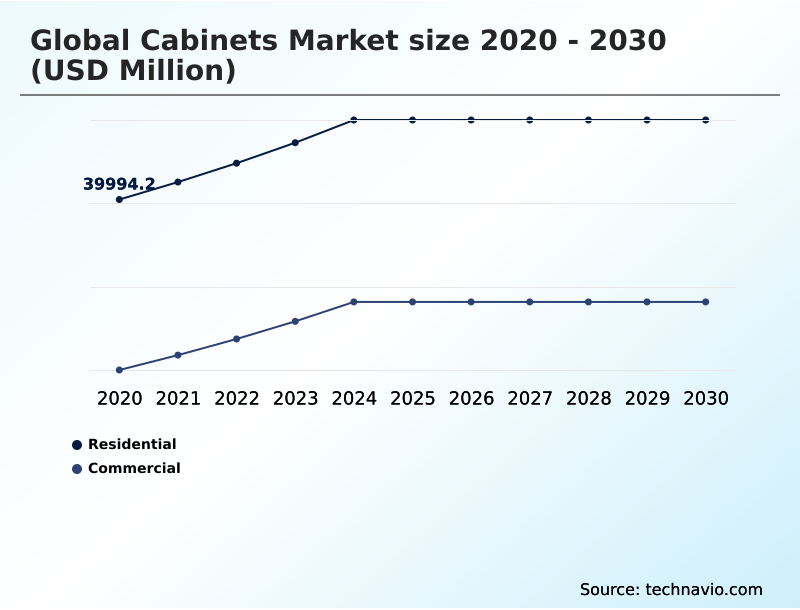
The Residential segment was valued at USD 47.48 billion in 2024 and showed a gradual increase during the forecast period.
Regional Analysis
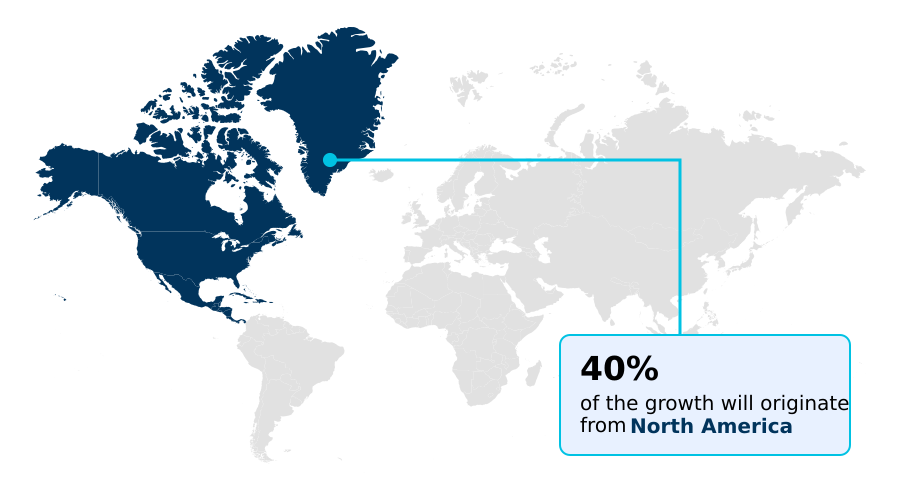
North America is estimated to contribute 40.4% to the growth of the global market during the forecast period.Technavio’s analysts have elaborately explained the regional trends and drivers that shape the market during the forecast period.
See How Cabinets Market Demand is Rising in North America Get Free Sample
North America is projected to contribute over 40% of the market's incremental growth, driven by residential remodeling and demand for high-end custom cabinetry.
The region is a hub for innovation, with a focus on precision manufacturing and architectural millwork that aligns with modern interior design specifications. Europe follows, emphasizing frameless cabinet construction and sustainable practices using certified sustainable timber.
Meanwhile, the APAC region shows significant growth, fueled by urbanization and the need for high-density housing solutions and commercial storage solutions. Manufacturers globally are adopting supply chain diversification to counter raw material cost volatility.
This strategy has been shown to improve inventory turnover by up to 15%. Across regions, there is a push for cost-effective modular systems featuring designs like floating vanity systems and materials such as high-pressure laminates for durability.
The focus on ergonomic structural engineering is universal.
Market Dynamics
Our researchers analyzed the data with 2025 as the base year, along with the key drivers, trends, and challenges. A holistic analysis of drivers will help companies refine their marketing strategies to gain a competitive advantage.
- Strategic decision-making in the cabinets sector increasingly revolves around nuanced technical and operational choices. For instance, comparing frameless vs. framed cabinet construction is no longer just an aesthetic decision but one that impacts material usage and installation complexity.
- The market is seeing a clear preference for features that enhance user experience, underscoring the benefits of soft-close hinges in residential kitchens and the growing interest in integrating motorized shelving units in existing cabinetry. A critical factor for manufacturers is the cost analysis of solid hardwoods vs. mdf cabinets, which directly influences pricing strategies and market positioning.
- Concurrently, sustainability is a major consideration, with growing scrutiny on the impact of low-emission substrates on indoor air quality and a push for achieving sustainability goals with certified timber. In specialized applications, selecting the best moisture-resistant materials for bathroom vanities and using high-pressure laminates for commercial applications are key to ensuring product longevity.
- The trend towards personalization is driving innovations in production, with firms tackling the challenges of custom color matching in cabinet production through new technologies. Many are now exploring automation impact on cabinetry precision manufacturing and implementing digital prototyping for custom cabinet orders to meet bespoke demands efficiently.
- Firms that effectively manage their supply chain strategies for timber and hardware show greater resilience; some have reduced stockout incidents by over 30% compared to those with single-source dependencies. Design trends like shaker-style cabinets in modern kitchen design continue to evolve, while the advantages of rigid pre-assembled kitchen cabinets appeal to large-scale developers.
- The growth of the DIY segment is fueled by trends in ready-to-assemble cabinetry for diy projects, and builders favor solutions where factory-finished cabinetry reduces on-site labor costs. Ultimately, success depends on balancing ergonomic structural engineering for accessible kitchens, selecting durable finishes for high-traffic environments, and maximizing storage with multi-functional cabinet units, often leveraging the operational benefits of paint-to-order cabinet facilities.
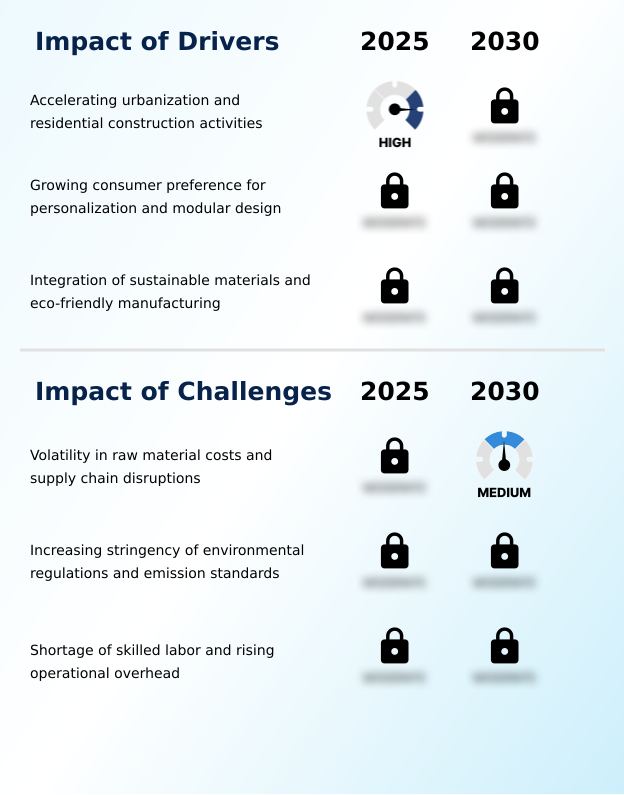
What are the key market drivers leading to the rise in the adoption of Cabinets Industry?
- Accelerating urbanization and the corresponding rise in residential construction activities serve as a primary driver for market expansion.
- Sustained urbanization and a subsequent rise in residential construction are primary market drivers. This includes new builds and a high volume of kitchen remodeling projects.
- Demand for modular cabinetry frameworks is strong, as they offer flexibility and support operational efficiency gains for builders, reducing installation times by up to 25%.
- Sustainable manufacturing practices are also becoming a key differentiator, with consumers and builders prioritizing environmental regulation compliance. The market is seeing robust demand across segments, from ready-to-assemble cabinetry with a particleboard core to high-end bespoke architectural installations using solid hardwoods.
- Offerings like semi-custom cabinetry from a paint-to-order facility and rigid pre-assembled kitchen cabinets meet diverse consumer needs while adhering to strict quality control standards.
What are the market trends shaping the Cabinets Industry?
- The increasing adoption of smart kitchen technology and intelligent storage solutions is a defining trend. This shift reflects a growing consumer demand for enhanced convenience and efficiency in modern kitchen environments.
- A dominant trend is the adoption of smart kitchen integration, where intelligent storage enhances convenience. This includes automated features like motorized shelving units, integrated LED lighting, and touch-to-open mechanisms, often managed through integrated home management systems.
- Manufacturers are leveraging cabinetry design software and automated production lines to achieve significant lead time reduction, with some firms reporting a 20% faster order-to-delivery cycle. This focus on technology extends to material science, with new anti-fingerprint finishes and ventilated cabinet design improving functionality. These innovations, coupled with strong after-sales support services, are key customer retention strategies.
- The demand for efficient space-optimization strategies in urban dwellings further accelerates this trend, making technological adoption a competitive necessity.
What challenges does the Cabinets Industry face during its growth?
- Volatility in the cost of raw materials, coupled with persistent supply chain disruptions, presents a key challenge to industry growth and profitability.
- The industry confronts significant challenges from raw material price volatility and supply chain disruptions, impacting everything from medium-density fiberboard (MDF) to hardware like soft-close hinges. These issues can increase production costs by over 15% in a single quarter, creating budget uncertainty. A persistent skilled labor shortage further strains manufacturing capacity and elevates operational overhead.
- To mitigate these risks, companies are investing in inventory management technology and supply chain diversification. The increasing stringency of environmental regulations necessitates the use of low-emission substrates and moisture-resistant materials. While factory-finished cabinetry improves efficiency, complexities in logistics and the demand for custom color matching—often refined through digital prototyping—add pressure.
- These factors are critical considerations, particularly given current bathroom renovation trends that favor specialized materials.
Exclusive Technavio Analysis on Customer Landscape
The cabinets market forecasting report includes the adoption lifecycle of the market, covering from the innovator’s stage to the laggard’s stage. It focuses on adoption rates in different regions based on penetration. Furthermore, the cabinets market report also includes key purchase criteria and drivers of price sensitivity to help companies evaluate and develop their market growth analysis strategies.
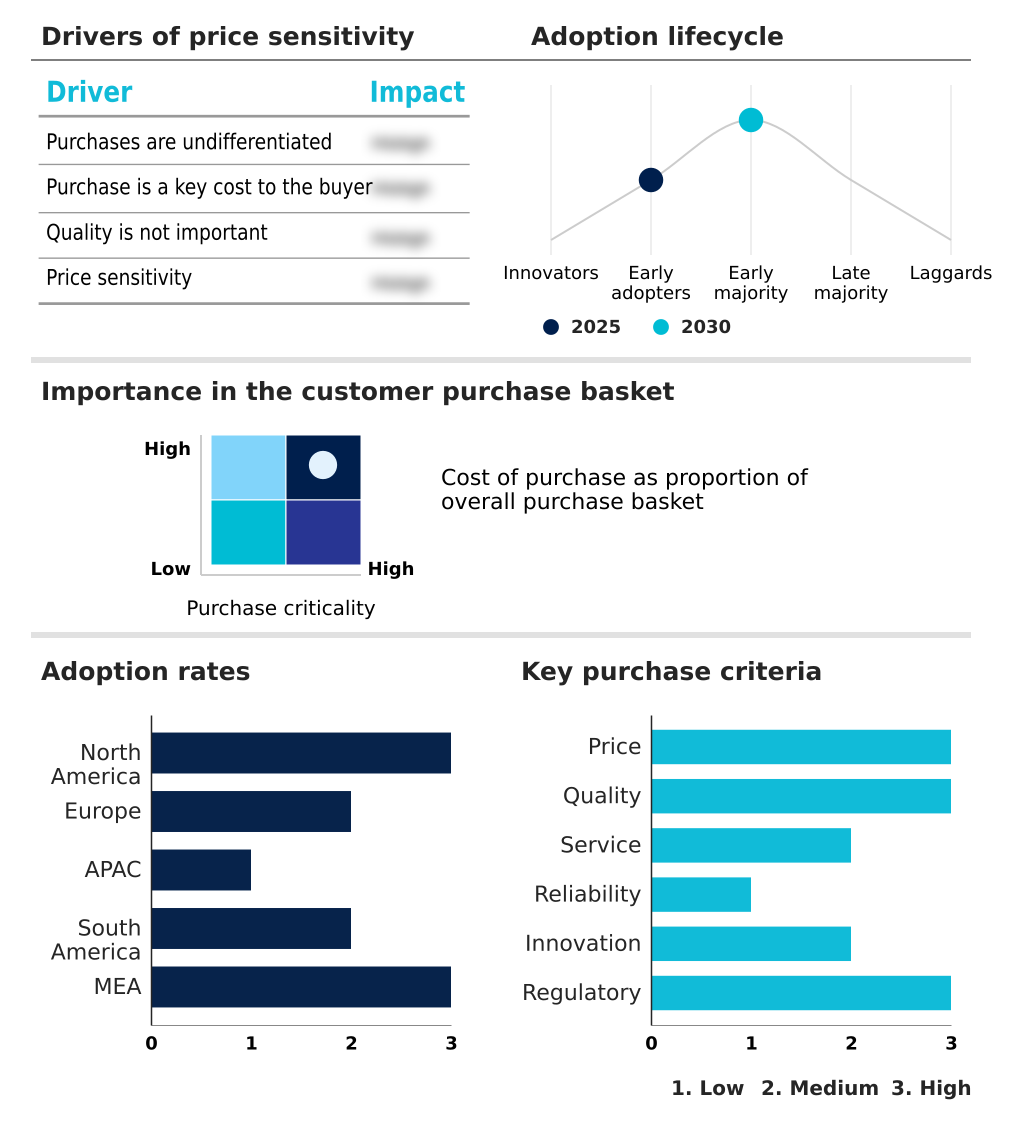
Customer Landscape of Cabinets Industry
Competitive Landscape
Companies are implementing various strategies, such as strategic alliances, cabinets market forecast, partnerships, mergers and acquisitions, geographical expansion, and product/service launches, to enhance their presence in the industry.
American Woodmark Corp. - Delivers a broad selection of kitchen and bath cabinetry, including semi-custom and storage solutions, designed to meet the aesthetic and functional needs of modern residential projects.
The industry research and growth report includes detailed analyses of the competitive landscape of the market and information about key companies, including:
- American Woodmark Corp.
- Arclinea Arredamenti S.p.A.
- Bulthaup GmbH
- Cabinetworks Group
- Caesarstone Ltd
- Fabuwood Cabinetry Corp.
- Forevermark Cabinetry
- Hacker Kuchen GmbH
- Howden Joinery Group plc
- Inter IKEA Holding BV
- KraftMaid Cabinetry Inc.
- LEICHT Kuchen AG
- LIXIL Corp.
- MasterBrand Cabinets Inc.
- Merillat Cabinetry
- Nobia AB
- Nobilia
- Pedini S.p.A.
- Poggenpohl Manufacturing GmbH
- Scavolini S.p.a.
Qualitative and quantitative analysis of companies has been conducted to help clients understand the wider business environment as well as the strengths and weaknesses of key industry players. Data is qualitatively analyzed to categorize companies as pure play, category-focused, industry-focused, and diversified; it is quantitatively analyzed to categorize companies as dominant, leading, strong, tentative, and weak.
Recent Development and News in Cabinets market
- In August, 2024, MasterBrand announced the completion of its acquisition of Supreme Cabinetry Brands, a move aimed at strengthening its presence in the premium kitchen and bath cabinetry sector and expanding its dealer network.
- In October, 2024, MasterBrand Cabinets Inc. and American Woodmark Corp. revealed a definitive all-stock merger agreement, set to create North America's largest residential cabinet manufacturer with a combined enterprise value of approximately $3.6 billion.
- In January, 2025, KraftMaid Cabinetry Inc. launched seven new finish colors for its standard and ColorCast collections, a strategic initiative to enhance consumer personalization options with trend-forward, nature-inspired tones.
- In April, 2025, Howden Joinery Group plc began a major expansion of its Runcorn manufacturing facility, investing in state-of-the-art machinery to create one of the world's largest production lines for rigid, pre-assembled kitchen cabinets.
Dive into Technavio’s robust research methodology, blending expert interviews, extensive data synthesis, and validated models for unparalleled Cabinets Market insights. See full methodology.
| Market Scope | |
|---|---|
| Page number | 280 |
| Base year | 2025 |
| Historic period | 2020-2024 |
| Forecast period | 2026-2030 |
| Growth momentum & CAGR | Accelerate at a CAGR of 6% |
| Market growth 2026-2030 | USD 27614.8 million |
| Market structure | Fragmented |
| YoY growth 2025-2026(%) | 5.8% |
| Key countries | US, Canada, Mexico, Germany, UK, France, Italy, Spain, The Netherlands, China, Japan, India, South Korea, Australia, Indonesia, Brazil, Argentina, Chile, Saudi Arabia, UAE, South Africa, Israel and Turkey |
| Competitive landscape | Leading Companies, Market Positioning of Companies, Competitive Strategies, and Industry Risks |
Research Analyst Overview
- The cabinets market is characterized by a strategic push toward advanced manufacturing and material innovation. Companies are leveraging automated production lines and digital prototyping to enhance precision manufacturing and deliver sophisticated products, from frameless cabinet construction to traditional shaker-style cabinets.
- A key boardroom-level focus is aligning sustainable manufacturing practices with operational goals, which involves sourcing certified sustainable timber and using low-emission substrates. This addresses regulatory pressures and meets consumer demand for eco-friendly interiors. The adoption of modular cabinetry frameworks and rigid pre-assembled kitchen cabinets improves installation efficiency.
- In the pursuit of quality, features like soft-close hinges, dovetail drawer boxes, and full-overlay cabinet doors are becoming standard. Firms are expanding offerings to include floating vanity systems and multi-functional storage units with integrated LED lighting and touch-to-open mechanisms.
- Material choices are evolving, with a focus on solid hardwoods, high-pressure laminates, and thermal-fused laminate over basic particleboard core and medium-density fiberboard (MDF). Innovations like paint-to-order facility services for custom color matching, anti-fingerprint finishes, and ventilated cabinet design provide key differentiation. The shift toward factory-finished cabinetry is critical for controlling quality.
- In fact, companies adopting this model report up to a 20% reduction in on-site finishing errors, showcasing a clear link between production strategy and market performance. The demand for everything from high-end bespoke architectural installations to accessible ready-to-assemble cabinetry continues to shape the competitive landscape.
- This is why a focus on ergonomic structural engineering and hardware like concealed hinges and motorized shelving units is crucial for future growth, especially when considering moisture-resistant materials and engineered quartz surfaces for specific applications.
What are the Key Data Covered in this Cabinets Market Research and Growth Report?
-
What is the expected growth of the Cabinets Market between 2026 and 2030?
-
USD 27.61 billion, at a CAGR of 6%
-
-
What segmentation does the market report cover?
-
The report is segmented by End-user (Residential, and Commercial), Application (Kitchen cabinets, Bathroom cabinets, and Others), Distribution Channel (Home centers, Online stores, and Others) and Geography (North America, Europe, APAC, South America, Middle East and Africa)
-
-
Which regions are analyzed in the report?
-
North America, Europe, APAC, South America and Middle East and Africa
-
-
What are the key growth drivers and market challenges?
-
Accelerating urbanization and residential construction activities, Volatility in raw material costs and supply chain disruptions
-
-
Who are the major players in the Cabinets Market?
-
American Woodmark Corp., Arclinea Arredamenti S.p.A., Bulthaup GmbH, Cabinetworks Group, Caesarstone Ltd, Fabuwood Cabinetry Corp., Forevermark Cabinetry, Hacker Kuchen GmbH, Howden Joinery Group plc, Inter IKEA Holding BV, KraftMaid Cabinetry Inc., LEICHT Kuchen AG, LIXIL Corp., MasterBrand Cabinets Inc., Merillat Cabinetry, Nobia AB, Nobilia, Pedini S.p.A., Poggenpohl Manufacturing GmbH and Scavolini S.p.a.
-
Market Research Insights
- Market dynamics are shaped by moderate competitive rivalry, where differentiation is achieved through design, quality, and distribution. Buyers hold considerable power, driven by ample consumer personalization options and the direct impact of cabinetry on property value enhancement. In response, manufacturers focus on operational efficiency gains and lead time reduction—some achieving a 15% improvement through inventory management technology.
- The threat of new entrants is mitigated by the high capital required for scalable production and establishing a dealer network expansion. Suppliers' power fluctuates with raw material costs, pushing firms toward supply chain diversification. The adoption of cost-effective modular systems is growing, particularly for open-concept floor plans.
- Strategic agility in navigating environmental regulation compliance and supply chain pressures is critical, as a 5% reduction in material costs can significantly impact profit margins.
We can help! Our analysts can customize this cabinets market research report to meet your requirements.
 RIA -
RIA -